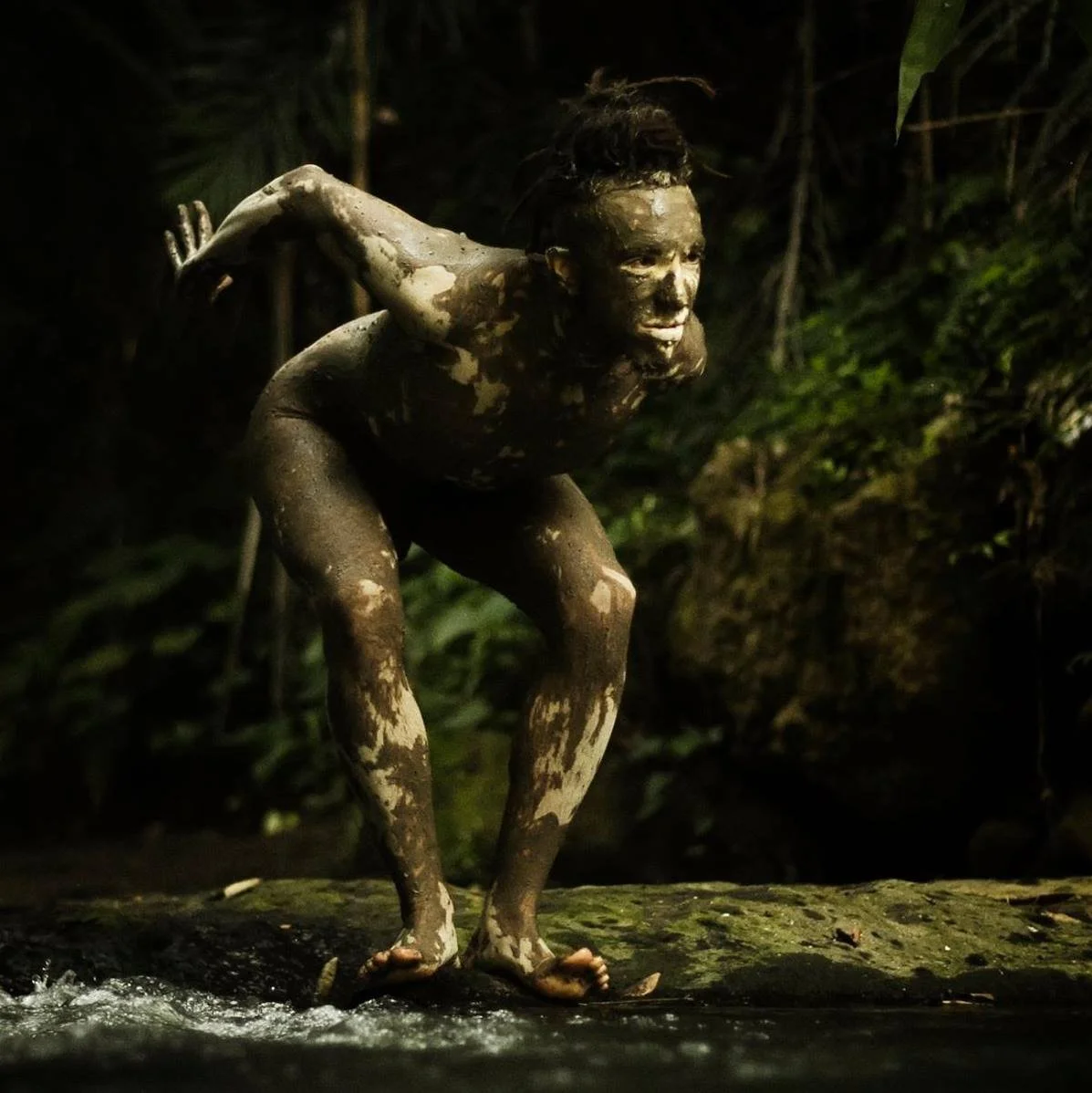
FEATURED ARTISTS
-
TENKO IMA
JAPAN
-
YUKO KAWAMOTO
JAPAN
-
KAE ISHIMOTO
JAPAN
-
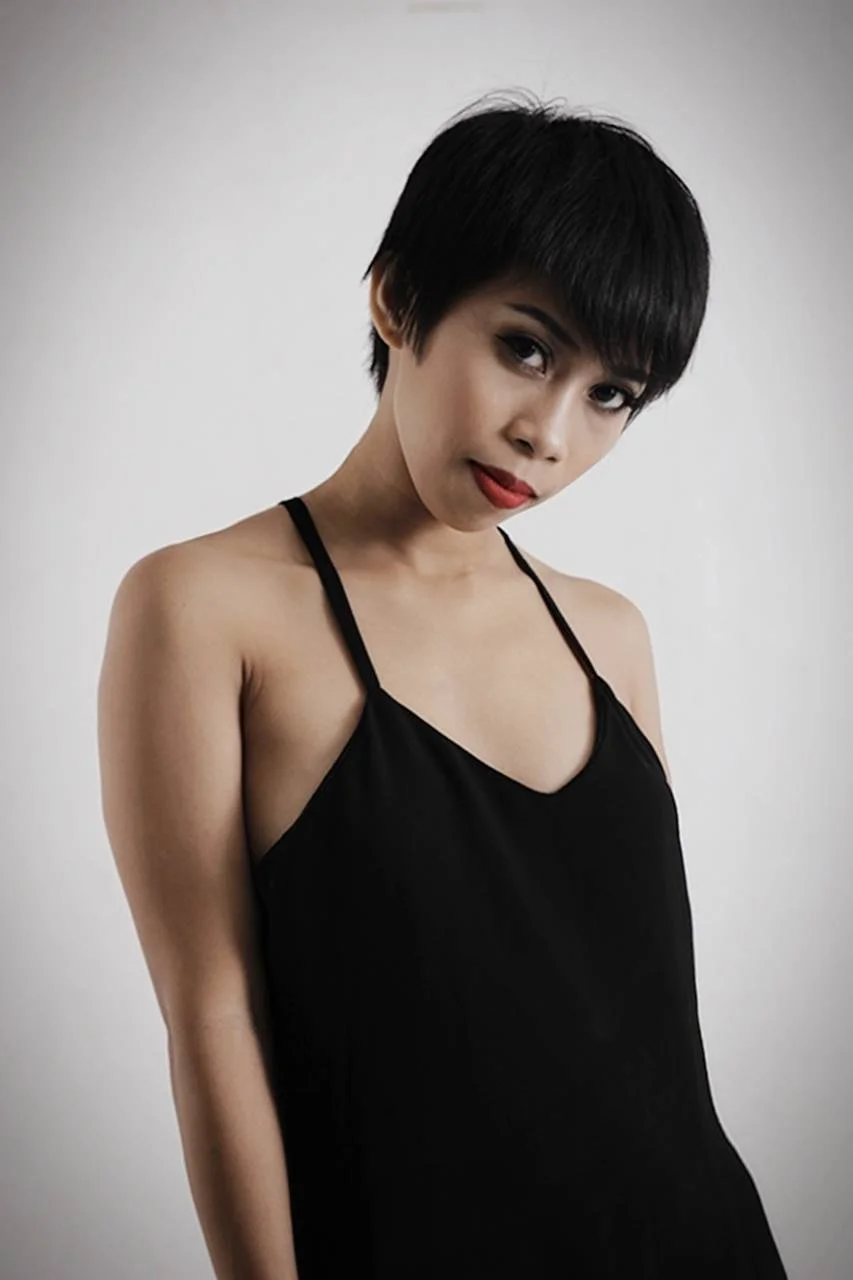
SASA CABALQUINTO
PHILIPPINES
-
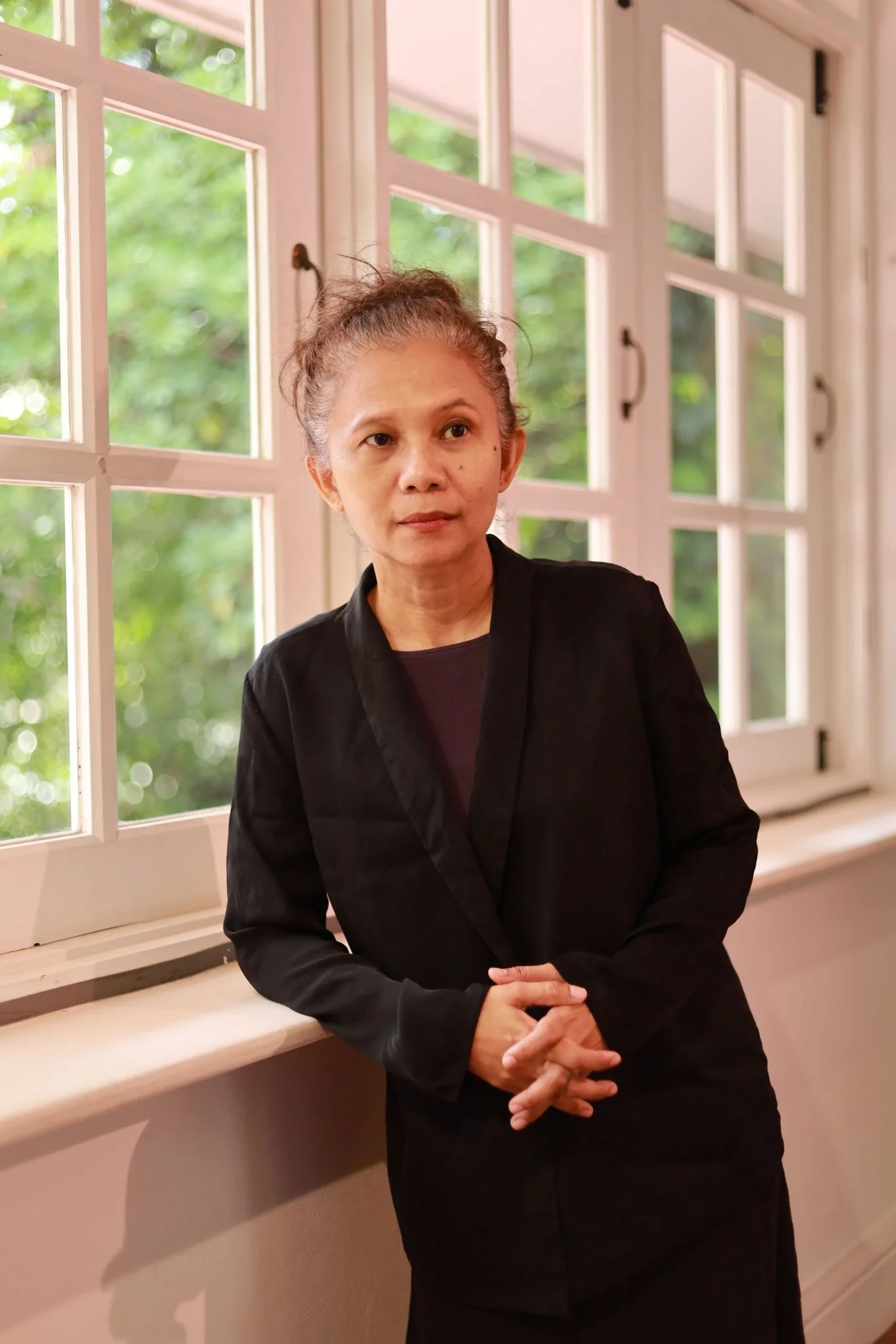
SINEENADH KEITPRAPAI
THAILAND
-
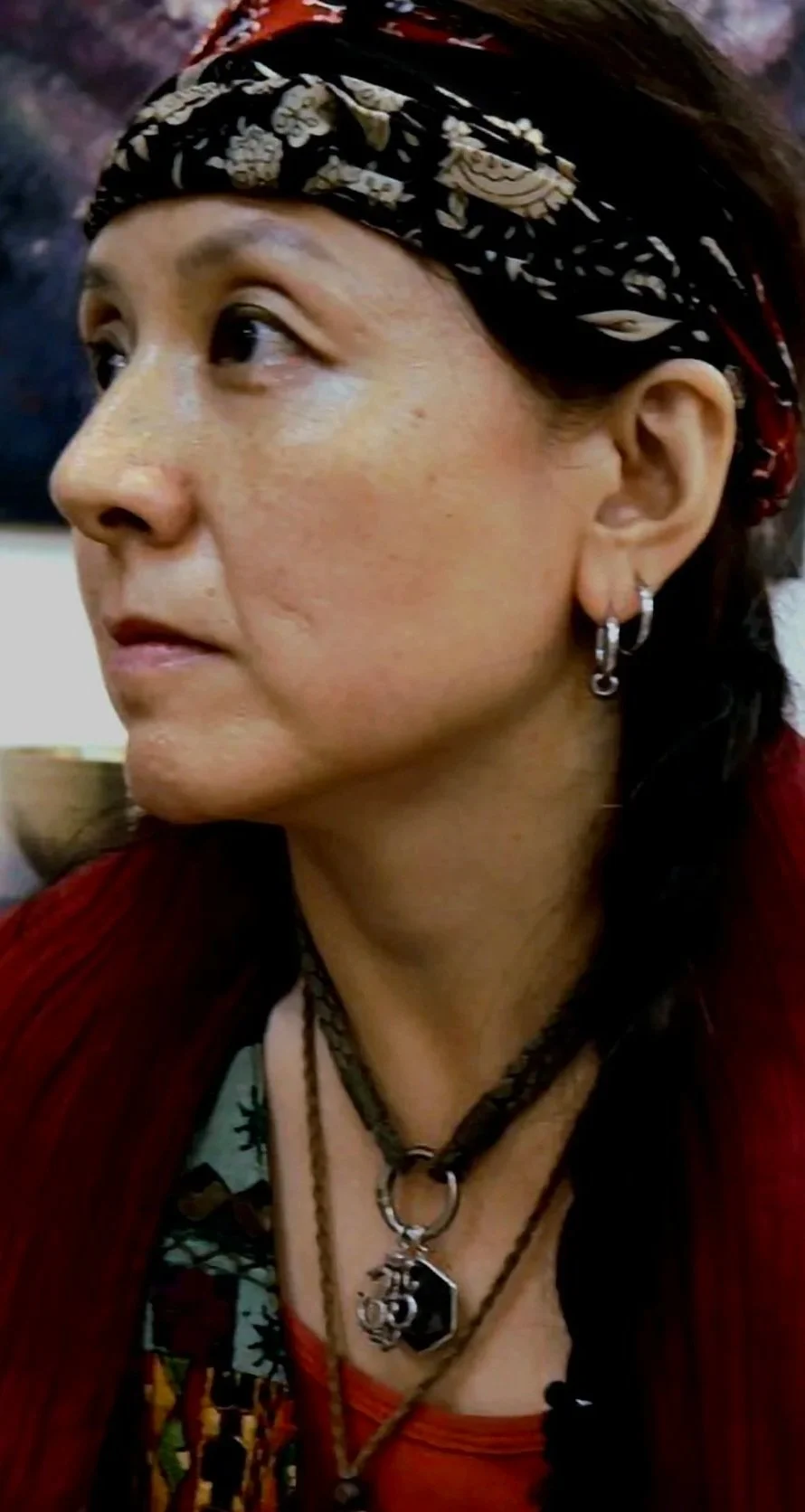
VINCI MOK
HONG KONG
-
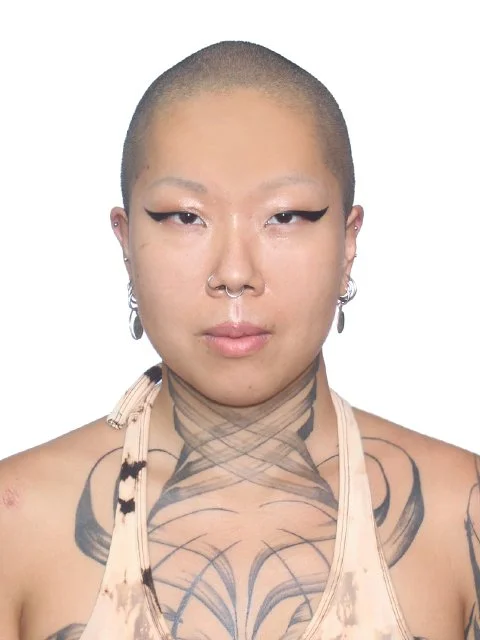
XUE
SINGAPORE
-
LEE SWEE KEONG
MALAYSIA
-
RAMOO HONG
SOUTH KOREA
-
HU CHIA
TAIWAN
-
ARI RUDENKO
INDONESIA/USA
-
SOFYAN JOYO UTOMO
INDONESIA
-
JAYA JACOBO PHILIPPINES
Festival Moderator
-
JOSEPH MATHEU PHILIPPINES
Lighting Director
-
CHILDREN OF CATHODE RAY Philippines
Sound Collaborator
-
TERESA BARROZO
PHILIPPINES
Sound Collaborator -
OBESE.DOGMA777
PHILIPPINES
Sound Collaborator -
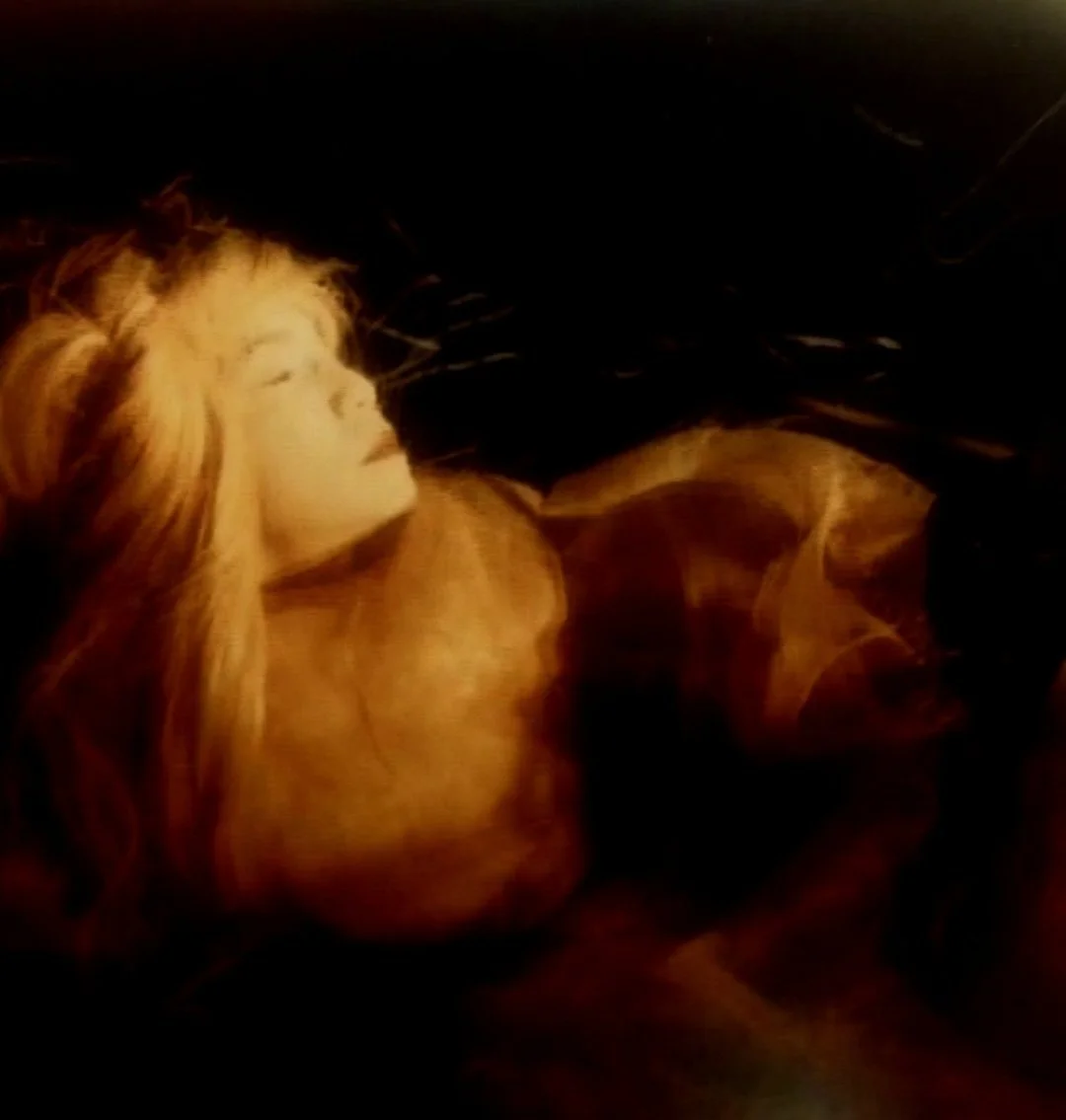
ANTON JUAN PHILIPPINES
Opening Keynote Speaker
PROGRAM HIGHLIGHTS
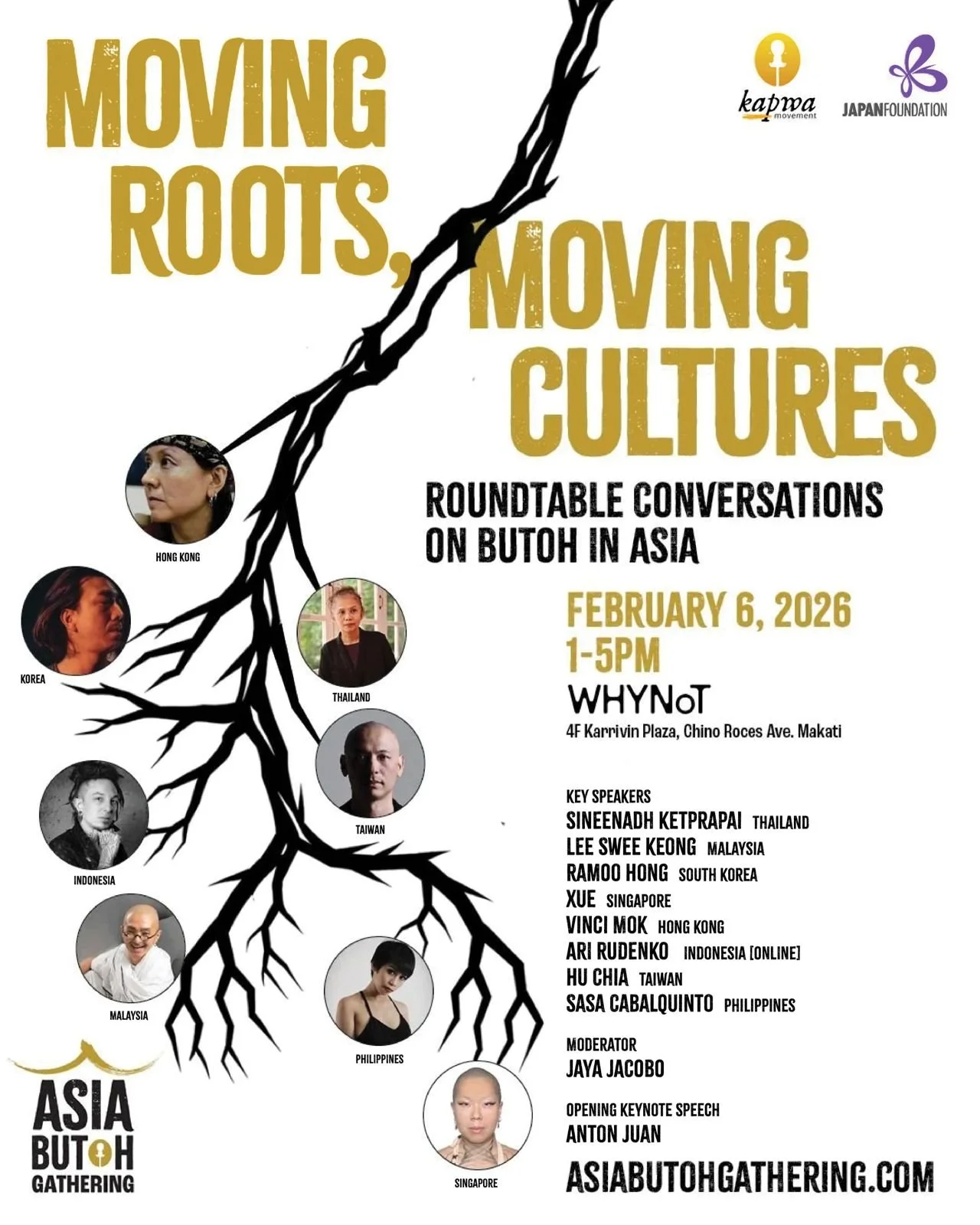
PERFORMANCES
-
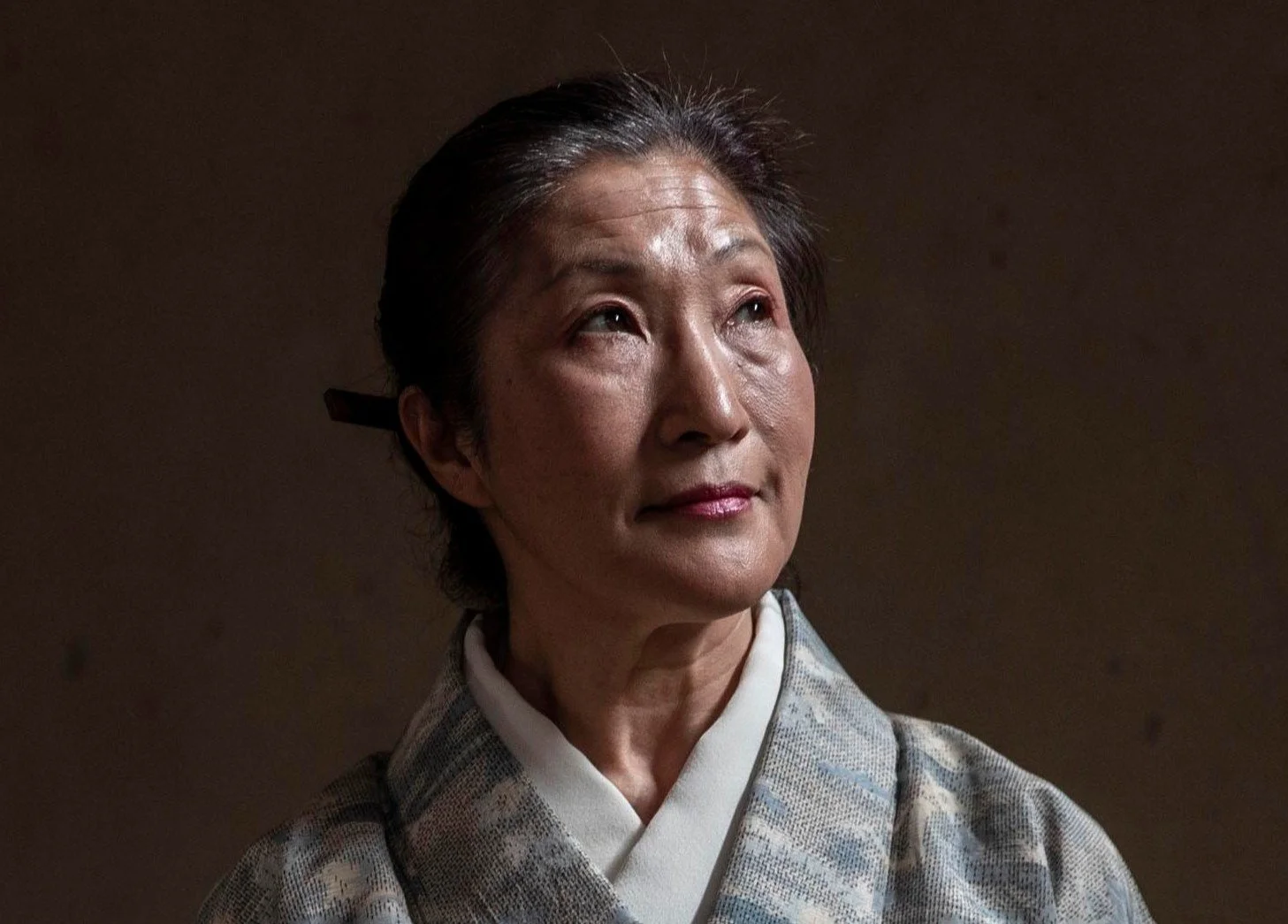
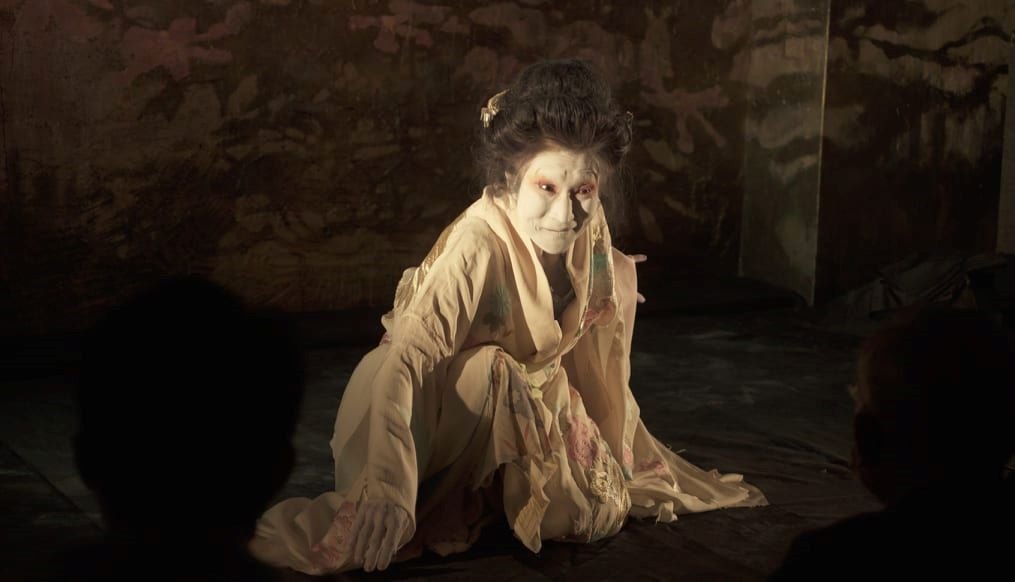
Ima Tenko was born in 1958. From 1980 to 1994, she was a core member of BYAKKO-SHA, performing with distinct recognition both abroad and locally, starting with Cultural Center of the Philippines Asian Theater Festival and Conference 1983. In 2000, she established the Butoh Company KIRAZA in Kyoto.
From 2016 to 2020, she performed a long-run performance of her solo work 'HISOKU' at the Kyoto Butoh Kan Theater, a theatre specializing in Butoh. In 2020, she became the first Butoh dancer to win the Award of Excellence at the 75th edition of the National Arts Festival by the Agency for Cultural Affairs of Japan for her performance "Diamond" at UrBANGUILD.
Her arts are supported by Tamafuri, “reinvigorating the soul,” the core of ancient Japanese performing arts. As one of Japan's leading butoh dancers, she uses Kyoto as a base to breathe new life and vigor into the field of Butoh.
Tenko Ima
Dancing in the In-Between Manila (2026)
Performance
The sky and the earth, reality and imagination, the past and the future, I embrace the positive energy of chaos that spreads between them with my whole body, and my body dances. Until a miracle occurs.
コンセプト
天空と大地、形而下と形而上、過去と未来、
間に広がる混沌のポジティヴなエネルギーを引き受けて
身体が踊る。奇跡を引き寄せるまで。
Byakko Sha’s Southeast Asian Tour
Lecture Presentation
By centered on the concept of 'bright darkness,' BYAKKO―SHA‘ (1980-1994) was based in Kyoto and carried out unique activities internationally. In order to explore new possibilities of expression, they energetically embarked on intercultural journeys and the World Dance Caravan through the all continents, but BYAKKO-SHA's first target was Southeast Asia. This presentation, featuring photographs by photographer Jun Abe, will discuss their performance at the 1983 ASIAN THEATER FESTIVAL AND CONFERENCE in Manila and the photo shoots conducted at various locations.
Photo by iina naoto
-
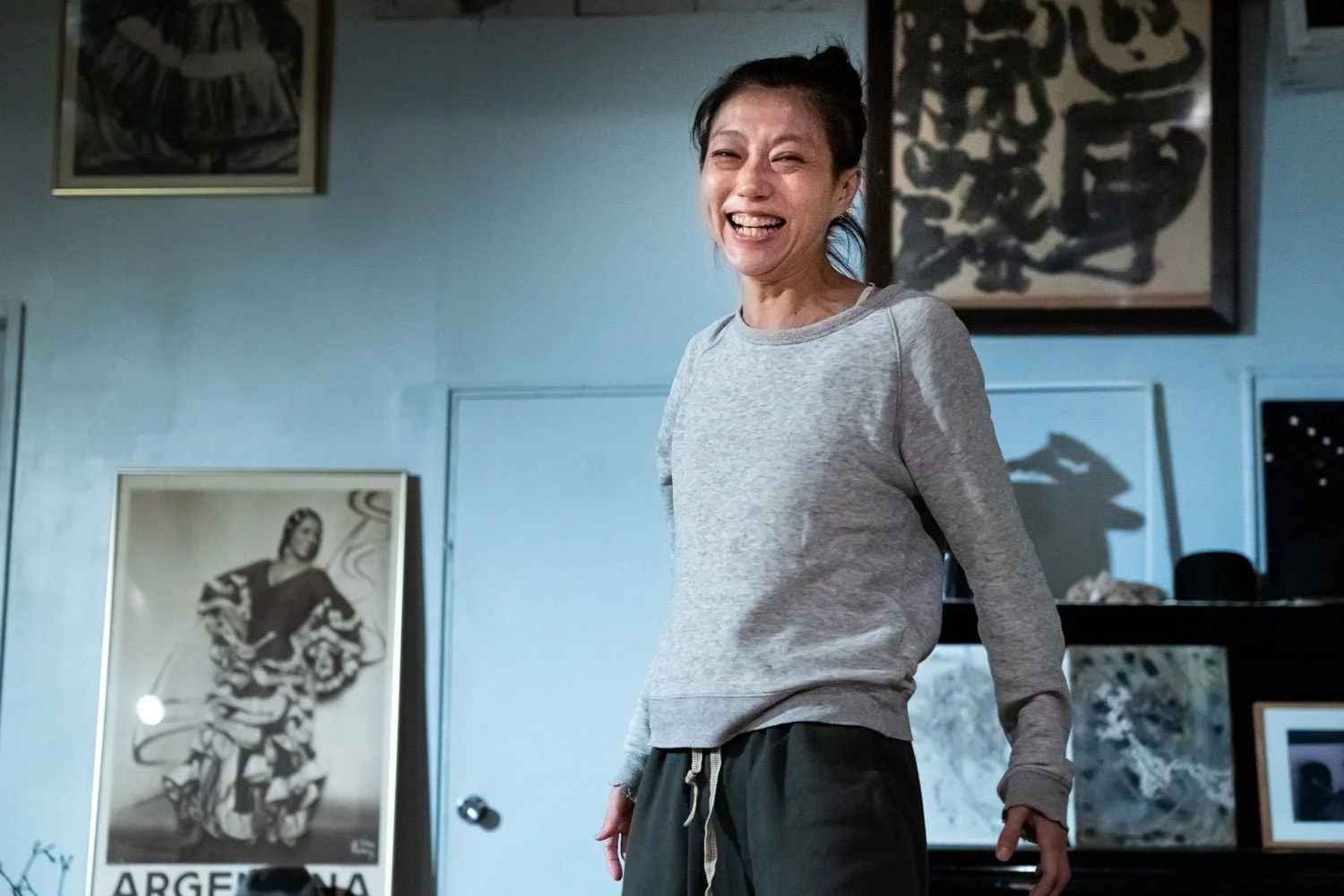
Butoh artist Yuko Kawamoto began her training in 1991 under Yukio Waguri, a direct disciple of Butoh founder Tatsumi Hijikata, and studied with him until 1999. In 2000, she became independent and founded Shinonome Butoh. Her work, unusual for a female Butoh artist, is marked by an intense and direct expression that has continued to evolve over time. Kawamoto has been recognized for the precision of her performance and her role in leading the Japanese Butoh scene. Since around 2010, she has actively developed exchange with Europe and Asia through workshops and collaborations. Her camp-style workshops gather participants from many countries and provide opportunities for concentrated practice and dialogue. Through her performances and teaching, she continues to carry forward the legacy of Butoh while opening it to contemporary and international contexts.
Yuko Kawamoto
Asia Butoh Tree (2021—Present)
Lecture Presentation
Launched around 2010, the "Asia Butoh Tree" project aims to cultivate the seeds of Butoh sown across Southeast Asia by establishing a sustainable network for observing, learning, and practicing this art form. Through workshop tours and immersive "Butoh Camps," we have created spaces where participants from diverse nations not only train together but also share their daily lives, fostering deep cross-cultural understanding. This presentation will discuss the achievements of these initiatives over the past decade and outline our vision for the future of the Butoh movement in Asia.
—
Butoh Workshop
Workshop
-
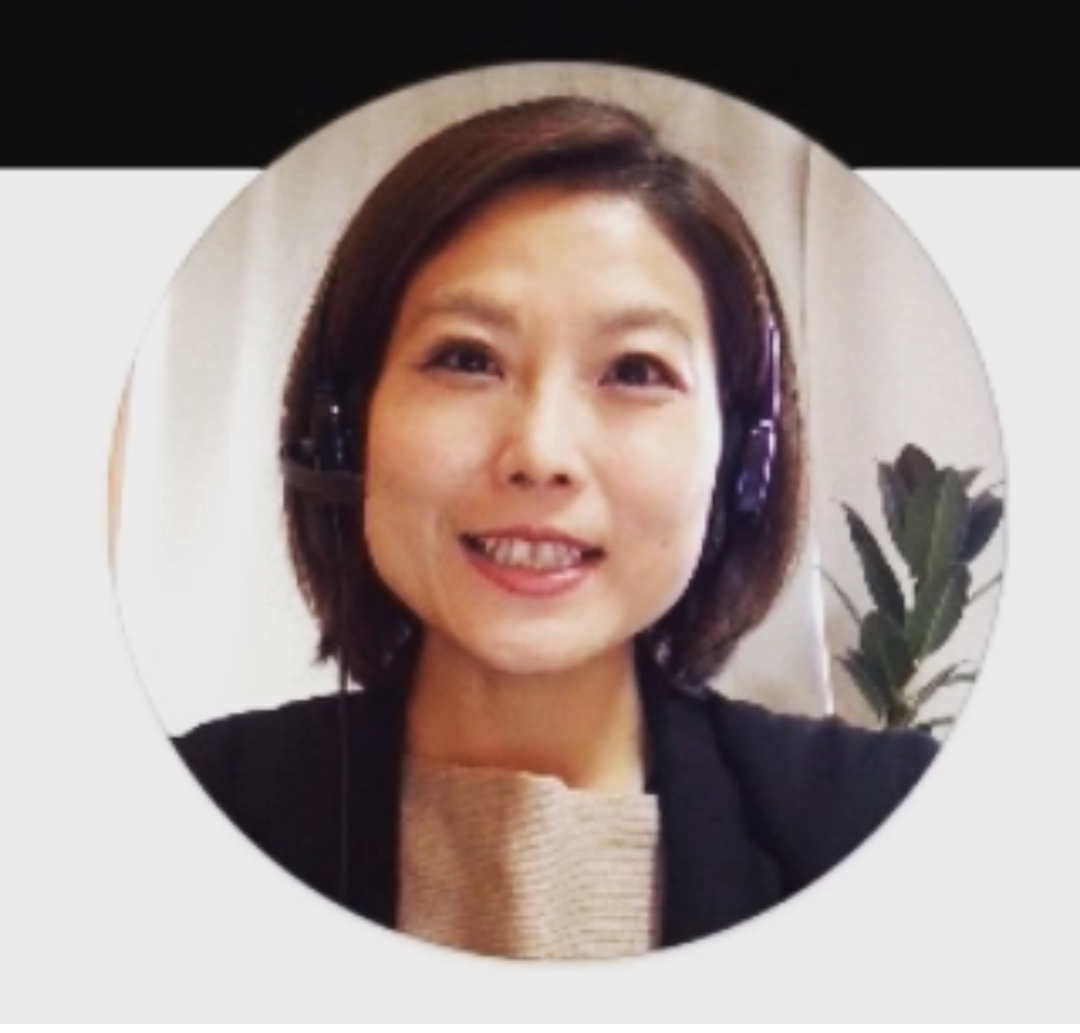
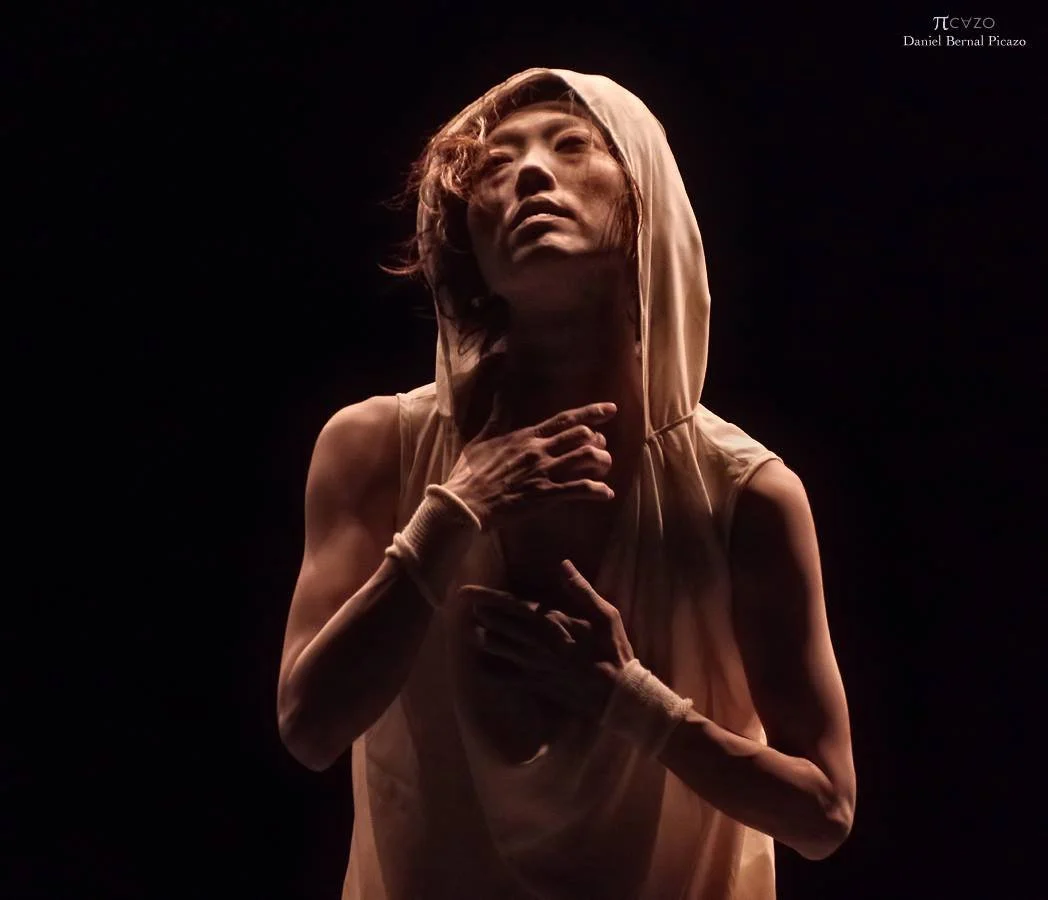
Kae Ishimoto was born into a family of traditional Japanese dancers. She began studying traditional Japanese dance from the age of three, jazz dance from the age of four, and has since trained in modern, contemporary, and butoh dance. Since 2002, she has been working with Hijikata’s disciple, Yukio Waguri. She began her Butoh dance career under Waguri and has worked with Natsu Nakajima, Yoshito Ohno, Moe Yamamoto and Minako Seki, among others. She has been invited to perform in 21 countries in Asia, Europe, and the US such as Bangkok Fringe festival, Butoh Festival in Barcelona, Hungary, Malaysia and Asia Tri in Indonesia and Korea.
As the director of “Perspectives On Hijikata Research Collective (POHRC)”, with Dr. Rosa van Hensbergen, she has organized intensive workshops and events in Japan, the UK, the US and Mexico for 11 years, and has been invited as a Butoh teacher to 15 countries such as Bulgaria, Hong Kong, Indonesia and Mexico. Also, she is a part-time lecturer of Keio University, Keio university Graduate Schools and a visiting artists of Dance M.F.A Summer of Hollins University, the US in 2024-2025. And since 2020, she is the current curator of Tatsumi Hijikata Archive.
Kae Ishimoto
Butoh-Fu Lecture
Lecture Presentation
From the early 1970s, the dances of Tatsumi Hijikata were notated using an intricate imagistic language that leaves its marks on loose sheets of paper and scrapbooks in the Tatsumi Hijikata Archive, as well as in the personal notebooks of dancers. Hijikata’s Butoh method specifically uses image-language as choreography and engages with Japanese movement traditions as well as Western literary and artistic influences. Kae Ishimoto who is an archivist of the Hijikata Tatsumi Archive will introduce Hijikata Tatsumi’s method of Butoh and lead them through a number of Hijikata’s distinct poetic and imagistic notational language,” Butoh Fu.”
What is the world of the imagination, and how do we build that world? What are the qualities of the body? What does it mean “to be”? What is the space-time of our body?
The lecture will hope to open up new ways of thinking through the body, movement, and provide participants with new choreographic tools and perspectives about body beyond any nationalities, also encourage people to blend / integrate our rich cultures and identities.
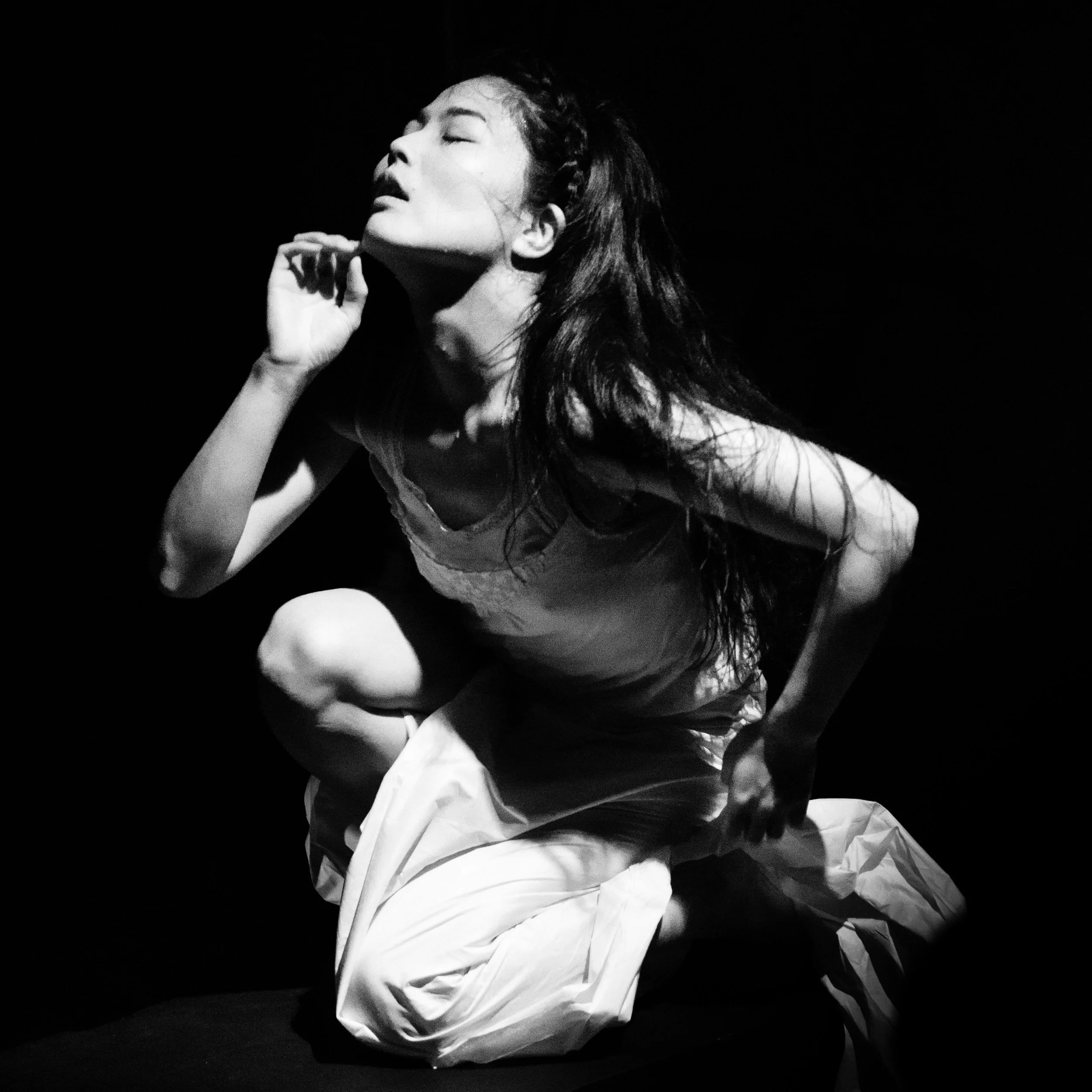
Photo by Alexandr Sasha Drozd
-
Sasa Cabalquinto is a pioneering Filipina butoh artist based in Manila, Philippines. She is a dancer, theater and film actor, performance maker, and cultural worker whose work explores movement through collaborative and interdisciplinary performance with themes engaging about memory, time, womanhood, and socio-political spaces. Recognized and multi-awarded on several platforms locally and internationally, her dance aims to deepen the politics of the body toward personal and collective healing, acknowledging the different cultural and sociopolitical identities through ancestral remembering, indigenous ritual practices, and postcolonial embodiment. She is the founder and director of Kapwa Movement, the independent intermediary platform for bridging Butoh to the Philippine arts community and the initiatory director and program curator for the Asia Butoh Gathering. Sasa is an Asian Cultural Council Fellow for Dance, Para Site NoExit Grantee- Philippines, and Asia Arts and Culture Grantee of Japan Foundation Manila. She is also an awardee of Ani ng Dangal for Cinema of National Commision for Culture and Arts (2025), Singapore International Film Festival Best Performance (2024), Alvin Erasga Tolentino Koreograpiya Award (2020), CCP Choreographers’ Series WiFiBody New Choreographers Competition 3rd Prize (2018), and PUP Outstanding Achievement Awardee in the Arts in Dance (2014). She has taken regional and international residencies such as Performance Ecologies, a Filipino Performance platform, Performance Lab Residency for Asia-Pacific Performance Artists in Phnom Penh, Cambodia and graduated in Certificate Programme for Critical Practice in Contemporary Performance [CP]3 by Dance Nucleus. She is also a hilot binabaylan and ritualist, bringing ancestral work in contemporary performance and offering ritual and healing services.
Sasa Cabalquinto
The Golden Idol (2026)
Performance
Bago maghilum ang sandaigdig,
may pagwawakas.
Sa pagguho, isinisilang ang pagbabago.
Nanganganak, nawawasak, lumuluwang, lumalawak.
The Golden Idol is a ritual performance of revolt of the flesh hijacking the feminine body. This piece approaches ecological crisis not only in nature, but through the architectures of power and systems that shape bodies, institutions, and desire that enable extraction, erasure, and violence. The performance inhabits a moment of extinction: as the idol collapses, the death of a dominant order and the uncertain emergence of another.
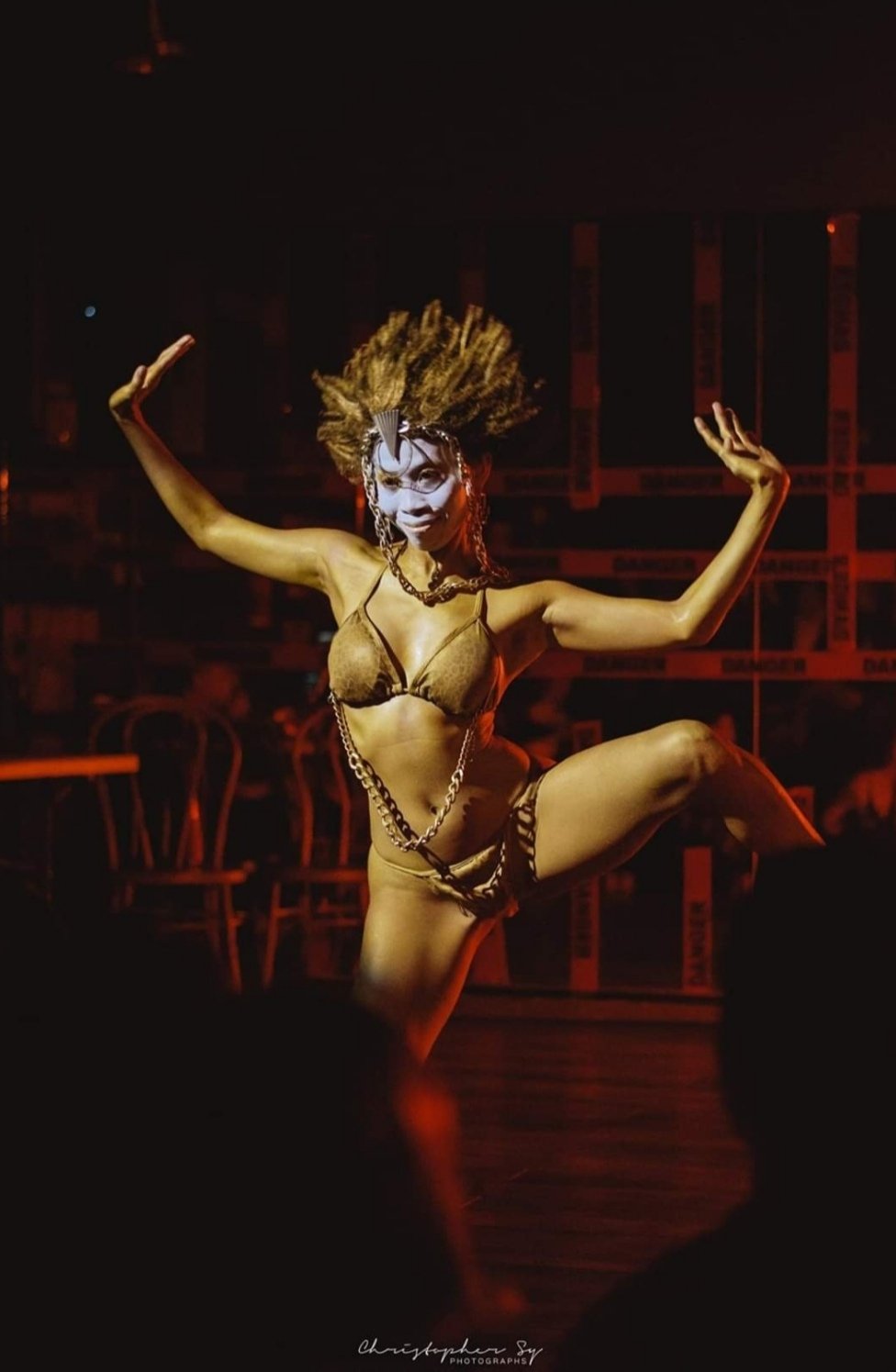
Photo by Christopher Sy
-
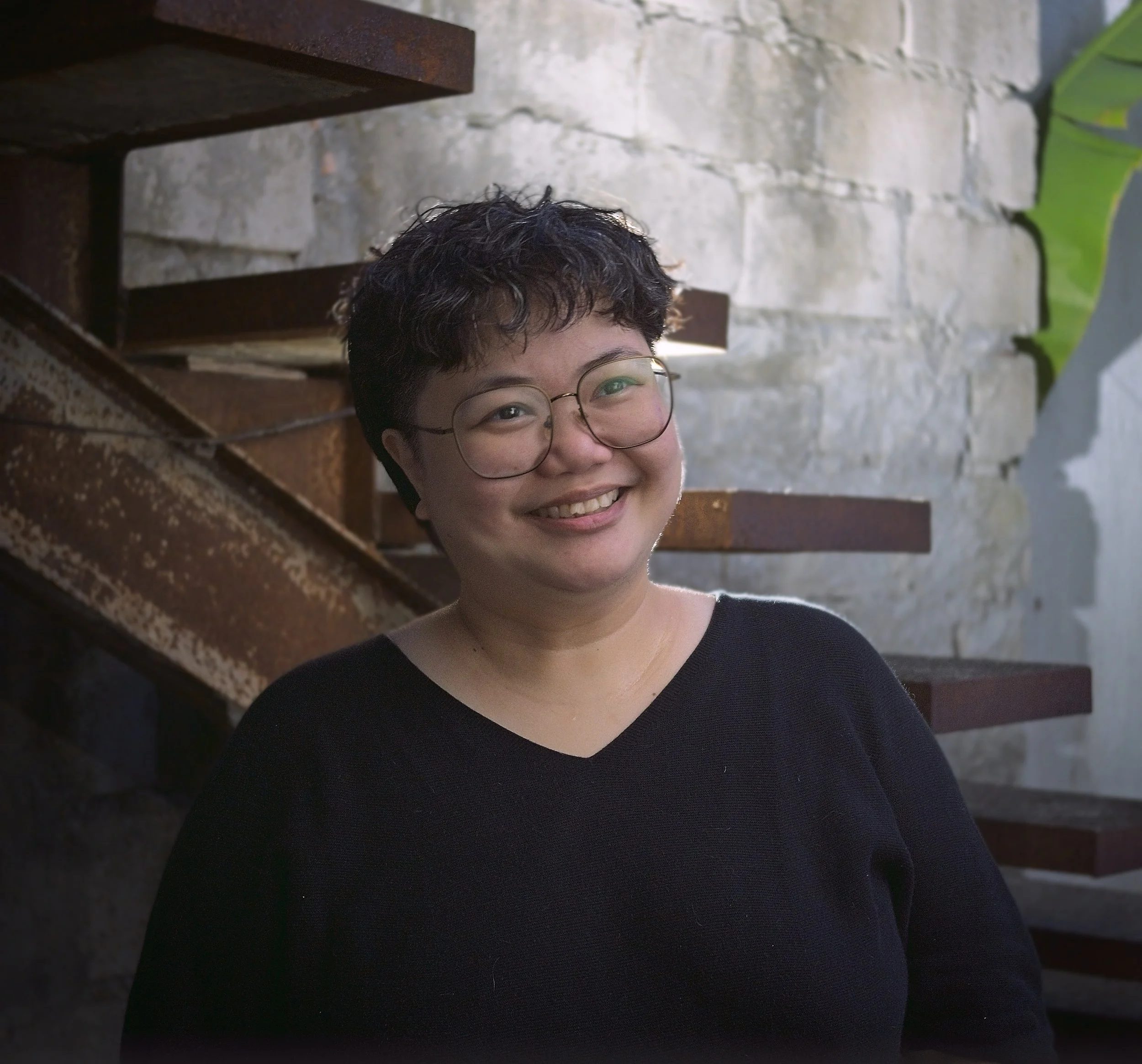
Teresa Barrozo (*1982) is a filipino sound artist, composer and curious listener with a wide range of works for film, theatre and dance. Her compositions have been featured in the festivals of the Asian Composers League in Japan and Thailand, and in the Asia-Pacific Weeks in Germany. Her film music works have participated in major international film festivals in Cannes, Venice, Toronto, Locarno and Berlin, among others. She has recieved the Ani ng Dangal Award from the Philippines’ National Commission for Culture and the Arts and has participated in the Biosphere Soundscape International Internship Program.
In 2014, she became a fellow of the Asian Cultural Council in New York, where she focused on sound art and design, performance, and contemporary sonic practices in listening, field recording, acoustic ecology, and electronic and computer music composition. In 2021 she showcased her music and sound score at the Philippines Pavilion in Expo 2020 Dubai (United Arab Emirates).
Influenced by the tradition of aural orchestration, storytelling in film and theater and new practices in contemporary art, Barrozo's current work expands into various disciplines, often exploring and proposing new perspectives on listening culture.
-
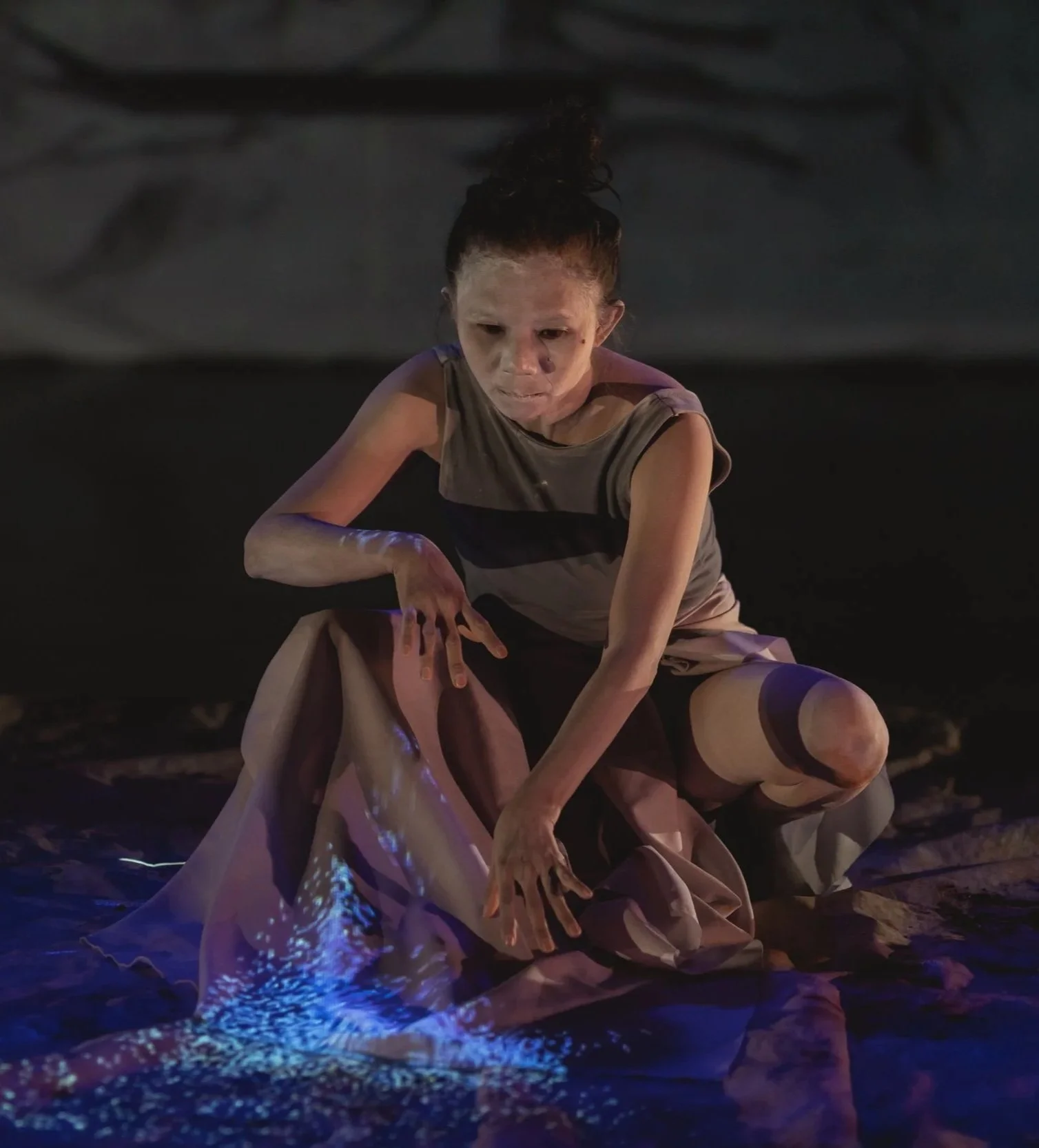
Sineenadh is an multidisciplinary performing art and butoh artist based in Bangkok, Thailand. She began her practice in theatre, acting and body movement with Crescent Moon Theatre and she was one of cofounder of B-Floor physical theatre.
Her work employs various styles, movement-based performance, physical theatre, devising performance, site specific, collaborative, ecoperformance and butoh. She use her body as the medium for explore and express as the methaphor to reflect women's issues, women's bodies, gender, social, nature, and spiritaul concerns.
She received Silpathorn Award in performing arts, which is an honor for mid-career Thai contemporary artists in 2008. Currently She is artistic director of Crescent Moon Theatre and she is a guest lecturer in performing art at several universities. Sineenadh has performed and participated in numerouse festival both in Thailand and internationaly. Her butoh performance and workshop participated in South Korea, Japan, Taiwan, Indonesia and Singapore.
Sineednadh Keitprapai
“The Plants” (2026)
Performance
Butoh Eco Performance by Sineenadh Keitprapai
Body as a medium in a non-human way to open and connect with nature and the invisible. The body transforms into the plants that wish to move but caught between perceiving the slow-moving particles of life and the moment of empty. Through the time and cycle of life, the plants becomes the elements of nature and moving like a dance on earth that want to fly freely to the sky.
-
Artistic Director and project curator of Hurtling Butoh Dance Theatre and Moving Art Hong Kong. Founder of a regularly street cross media Art Jam team ART WAVE. Former chairlady and core performer of Y-Space 2 contemporary dance company. Dancers of Physical Poetry Butoh Dance Company.
Vinci's fell in love with Butoh during her Drama Diploma study in Hong Kong Academy For Performing Arts around late 90's,but at the same time she never stop her curiosity for continuosly practice in Contemporay Dance, Contact Improvisation, Indian Dance, Tai Chi, Yoga, Zen/African drum, Gong/Singing Bowls, Puppet, Mime, Physical /Nao Theatre, Voice from different Eurasia traditional or contemporary masters. Her Butoh is highly inspired and influenced by her mentor/master Yukio Waguri since her beginner stage in Butoh, but she feel blessed for she got more opportunities to learn from many different interesting Butoh senior, and Yumiko Yushioka, Katsura Kan and Mushimaru Fujieda are few of those who she regular follow and collaborate in performances /projects for certain years. As her Butoh belief more in connect with Hijikata Tatsumi, she more love to have her Butoh exploration on sites or in village, nature, society, elderly, disable, kids, youth, the weakness or inclusive community for more historical, cultural or identity concern beside her theatre/indoor studio presentation. Vinci also a slasher in Sound /Reiki healing, Mindfulness/Therapitic Yoga Instruction, Performance Art, Theatre Acting, Life Drawing Modelling beside her drifting life for Butoh performing/teaching in collaboration projects to University, Art Academy, NGO, Eldery, Parkinson patients or Art Festival Creative Presentation by invitation from over 16 Eurasia countries.
Website
Social Media
Vinci Mok
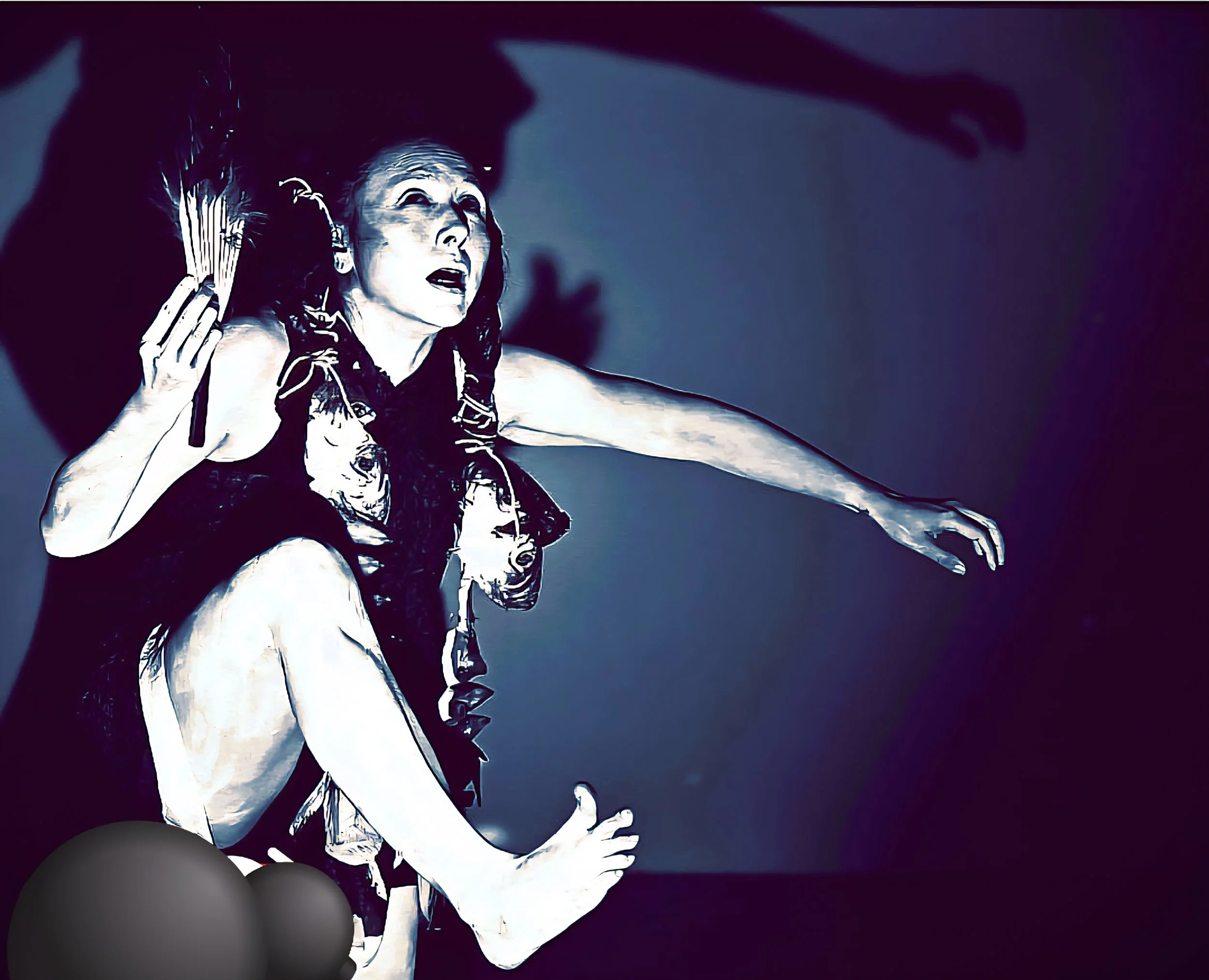
<Boarding Home> (2026)
Round Table | Performance
Trap in.
Check out.
Words hide on its lost white cotton layer . Body framed behind the free jumping bricks . Soul flying beyond all those darkness incense.
What is Butoh? How your Butoh life look like? Why Butoh body get isolated in its historical form? Japanese Butoh, Hong Konger spirit, may her Butoh shadow safety land high on the top of a civilized but humanized city wall.
-
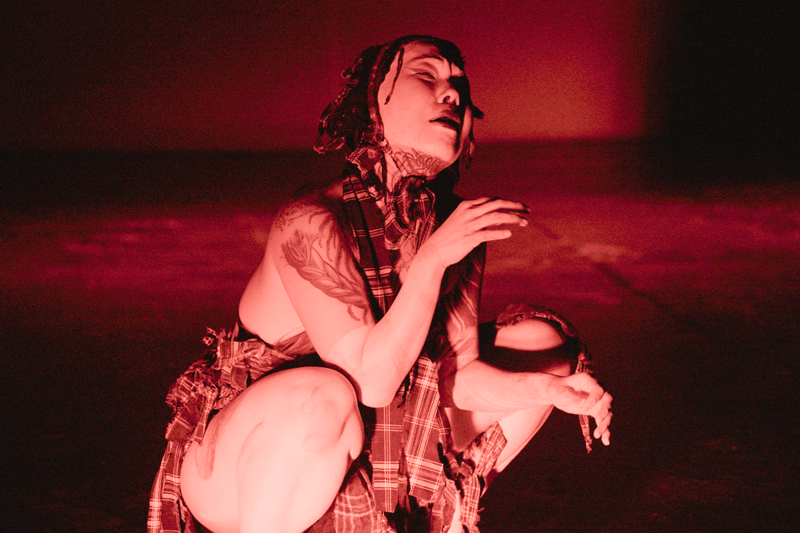
Butoh artist XUE is the founder and facilitator of the ‘Singapore Butoh Collective’, a young community initiative committed to the cultivation and sustained longevity of butoh culture in Singapore. XUE’s ongoing training continues under Vangeline (Vangeline Theater / New York Butoh Institute) and Emiko Agatsuma (AGAXART, Japan), complemented by self-initiated research trips to Japan. XUE is currently an Associate Artist at Dance Nucleus and a recent graduate of its Certificate Programme for Critical Practice in Contemporary Performance. XUE’s performance history includes the Online New York Butoh Institute Festival (2020), Online Queer Butoh Festival (2021), and Shadowbloom (The Brick Theater, New York, 2022). the centre trembles, an eleven-hour Butoh performance at Singapore’s ArtScience Museum. XUE is also the co-founder of Endless Return, a Singaporean rave series exploring rave-Butoh formats, awarded a T:>Works Per°Form Open Academy Fellowship in 2023. Through these engagements, XUE continues to explore how Butoh can operate as both an applied art and an embodied epistemology.
-
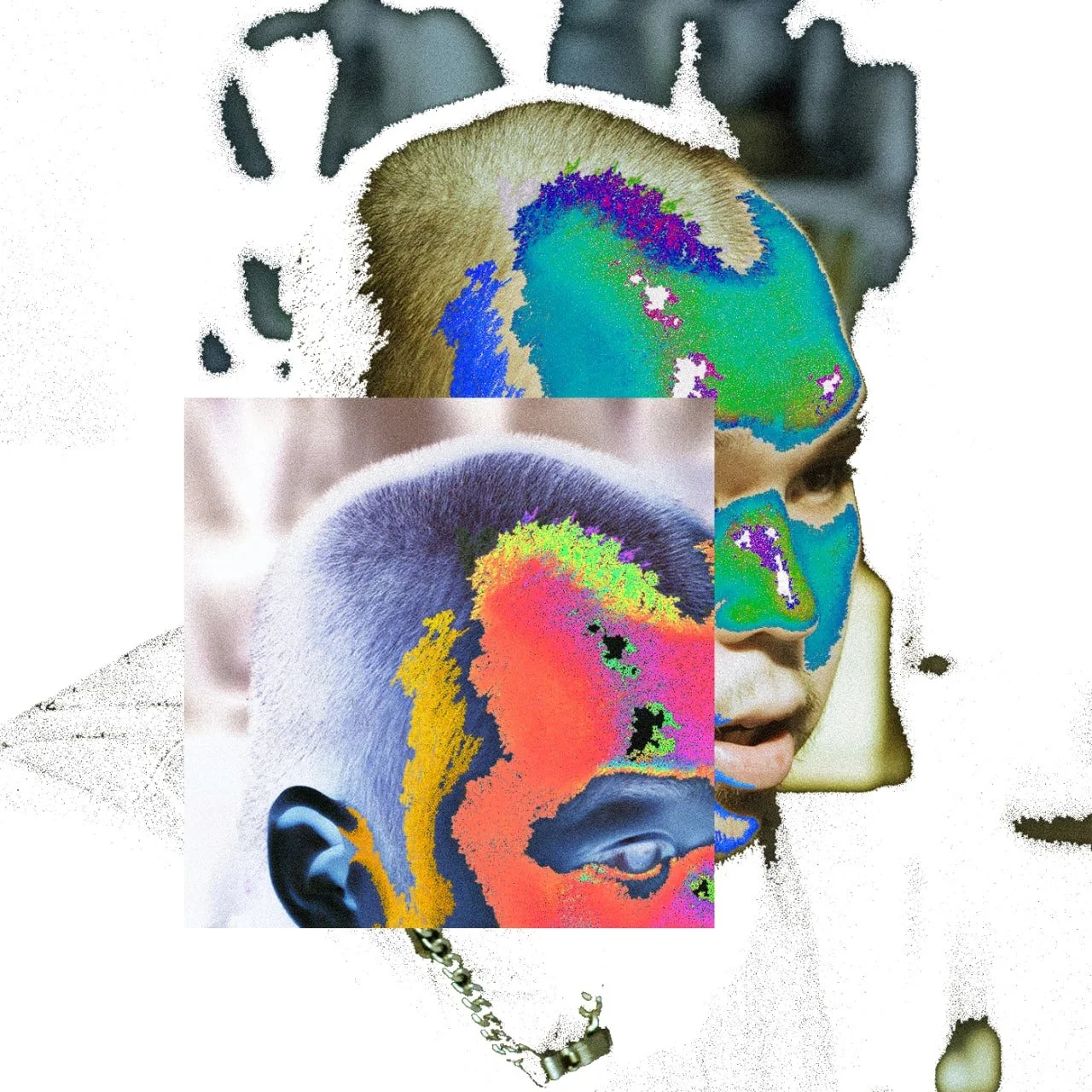
Born from the ashes and rubble of the defunct electronic music project similarobjects, obese.dogma777 emerges as a fusion of esoteric maximalism and abrasive, post-modern electronic club sounds. His output recontextualises mainstream club tropes, infusing them with eclectic, experimental, intrusive, and abrasive sound-design elements, often conjuring dystopian sonics that feel both prophetic and deranged.
His latest muse, Post-Budots, extends this sonic language into a speculative future where hyperlocal dance music collides with hyperreality. Distorted, deconstructed, and amplified, his approach reframes Budots through a maximalist lens, blurring the lines between lowbrow and high-concept, underground and mainstream, tradition and digital grotesquery.
His work often explores speculative ideas and theories at the intersection of pop culture, net concrete, technology, occultism, meta-irony, hyperrealism, and memetics, an ever-expanding, self-consuming collage of sound and meaning.
Website
Social Media
XUE
Apophenia Orange: Resting Sawah (2026)
Performance
Apophenia—a cognitive phenomenon often associated with madness, in which patterns are perceived within random events—is reimagined here as an alternative mode of sense-making. Rather than treating apophenia as pathological, the work reclaims it as a strategy for mapping connections across disparate experiences, embracing the incoherent, chaotic, and hallucinatory textures of existence. Apophenia Orange gathers fragments accumulated across travels in Southeast Asia: shifting geographies, fever-drenched dream-states, mystical and pedestrian encounters, and the serial witnessing of sunrises and sunsets.
Stitching together traces from the artist’s stream of consciousness and cross-regional collaborations, the work operates through an archipelagic logic rather than linear narrative, consisting of discrete elements of performance, poetry, photography, and video. As a context-specific project, Apophenia Orange continually shifts form in dialogue with the place, time, and conditions in which it is staged.
This iteration reflects on latency as a parallel to the Butoh body: the resting sawah or pahingang bukid, a site of emergence. In Southeast Asian agricultural cosmologies, a fallowing field is not passive; it is a vibrating ecology of subterranean potential. By aligning the Butoh body with this ecology of rest, the work proposes pattern-seeking as a state of being.
For the Asia Butoh Gathering, Singaporean Butoh artist XUE presents the Philippine node of Apophenia Orange in collaboration with obese.dogma 777 (PH), extending the project’s evolving archipelagic constellation.
-
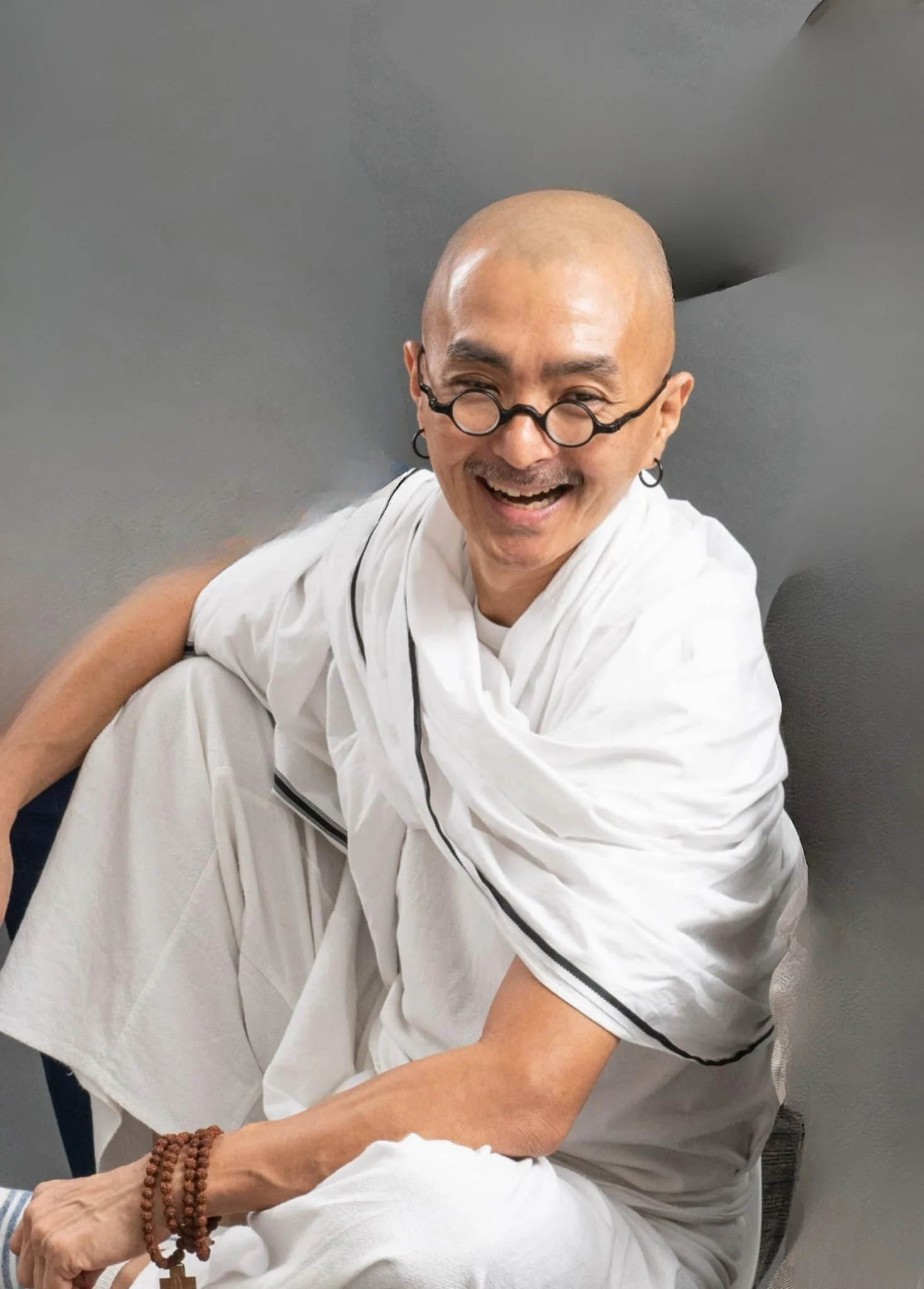
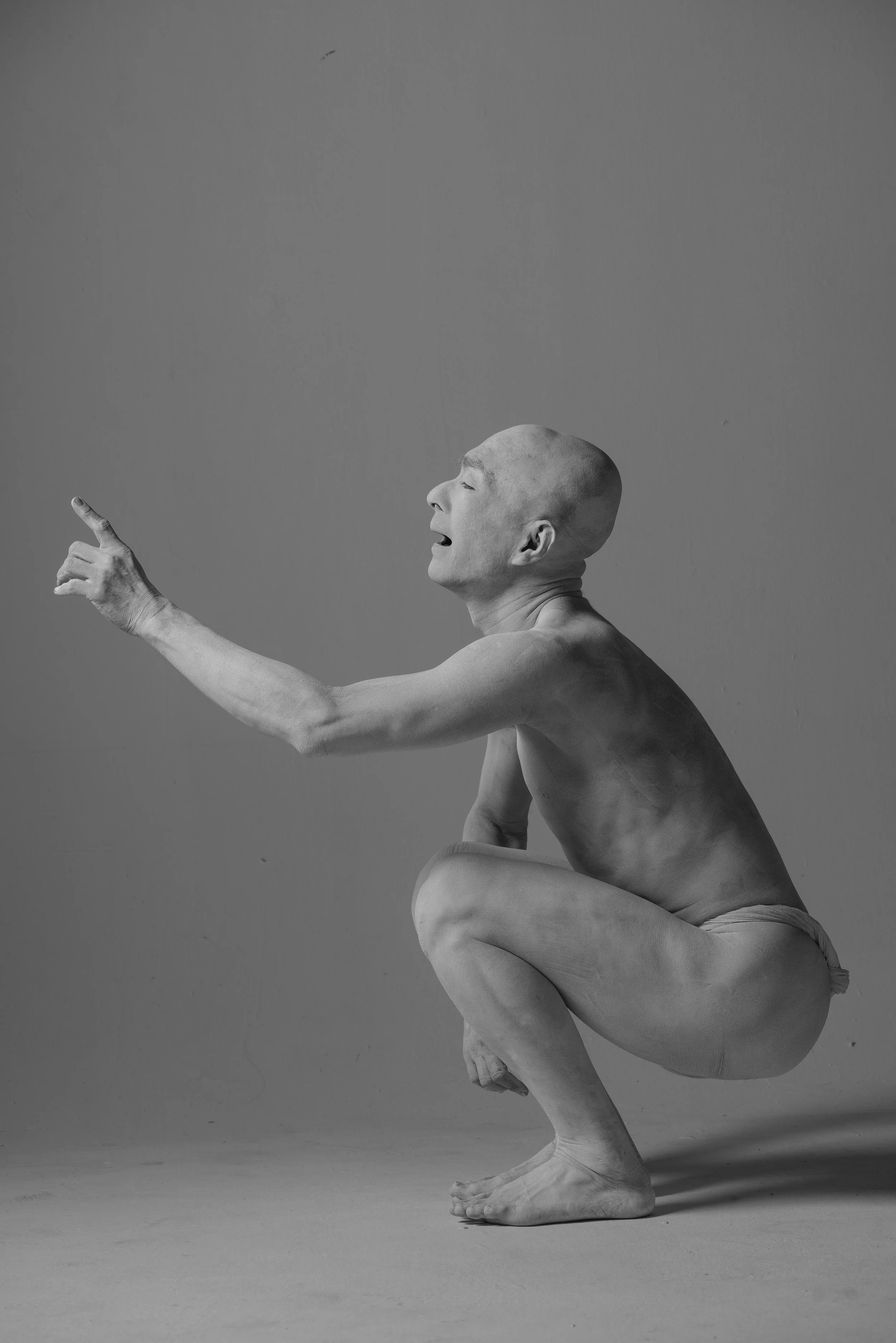
Lee Swee-Keong is an interdisciplinary artist whose work flows seamlessly between dance, theatre, and contemplative movement. He is the founder and artistic director of Butoh Nyoba Kan and the KL Butoh Festival (2008–2019), both of which have played a significant role in shaping the Butoh landscape in Malaysia and the region.
Beyond Butoh, he is a long-time practitioner of yoga, Taoism, Buddhism, and Tai Chi. These practices—grounded in inner wisdom and universal energy—deeply inform his artistic philosophy. Over the years, they have led him to cultivate a unique approach to movement that he calls “moving meditation”: a synthesis of dance, presence, and healing.
In recent years, his performances and creations have increasingly centered on mindfulness, energetic awareness, and transformative healing, offering audiences experiences that invite introspection, stillness, and embodied connection.
Lee Swee Keong
The Universe In a Single Flower (2026)
Performance
Where the energy of the body converges with the pulse of the earth. Through weaving and intertwining, we find inspiration and nourishment, allowing wisdom to bloom. It is the narrative of life—evolving from chaos into a world of vibrant growth.
-
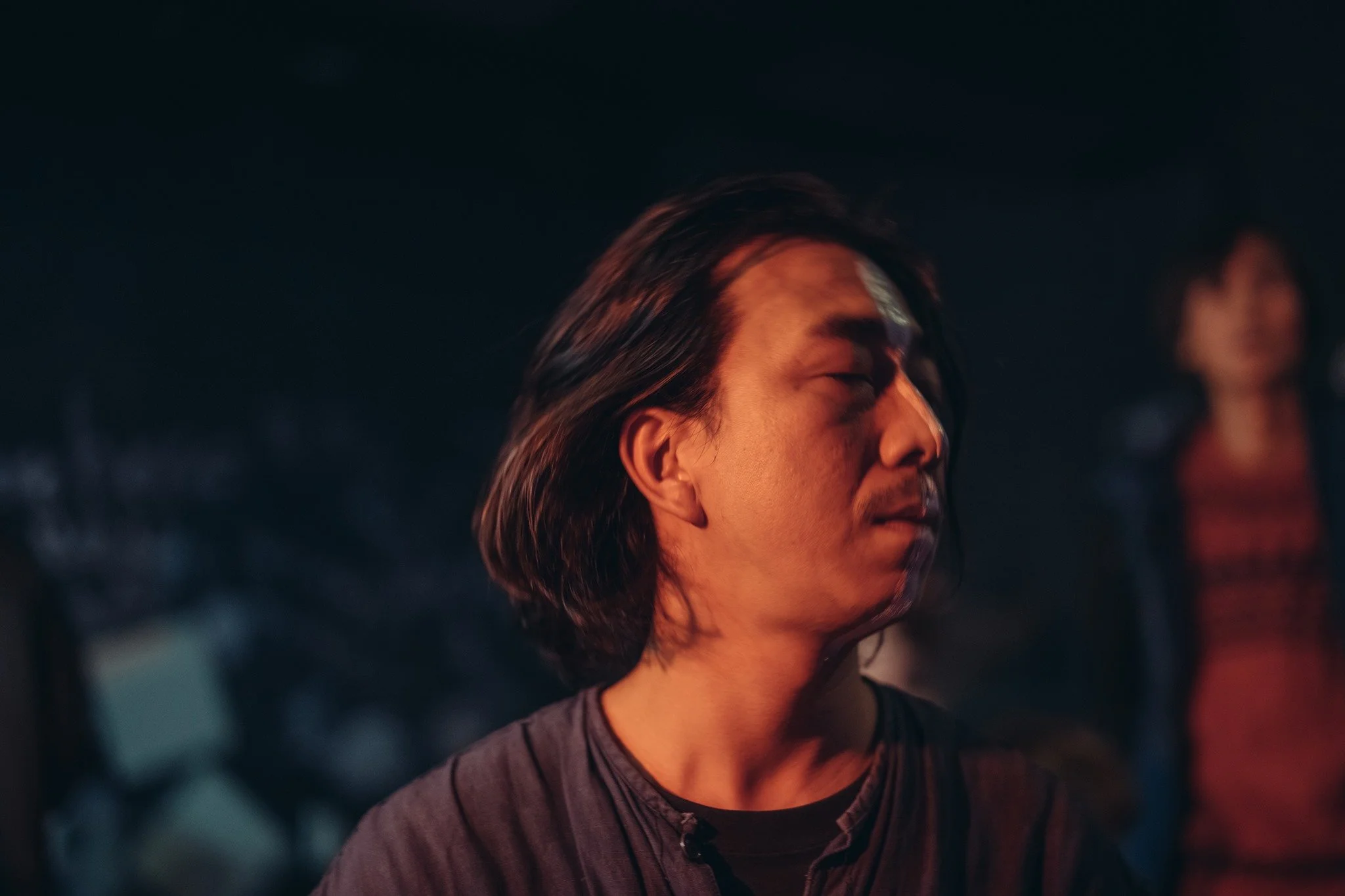
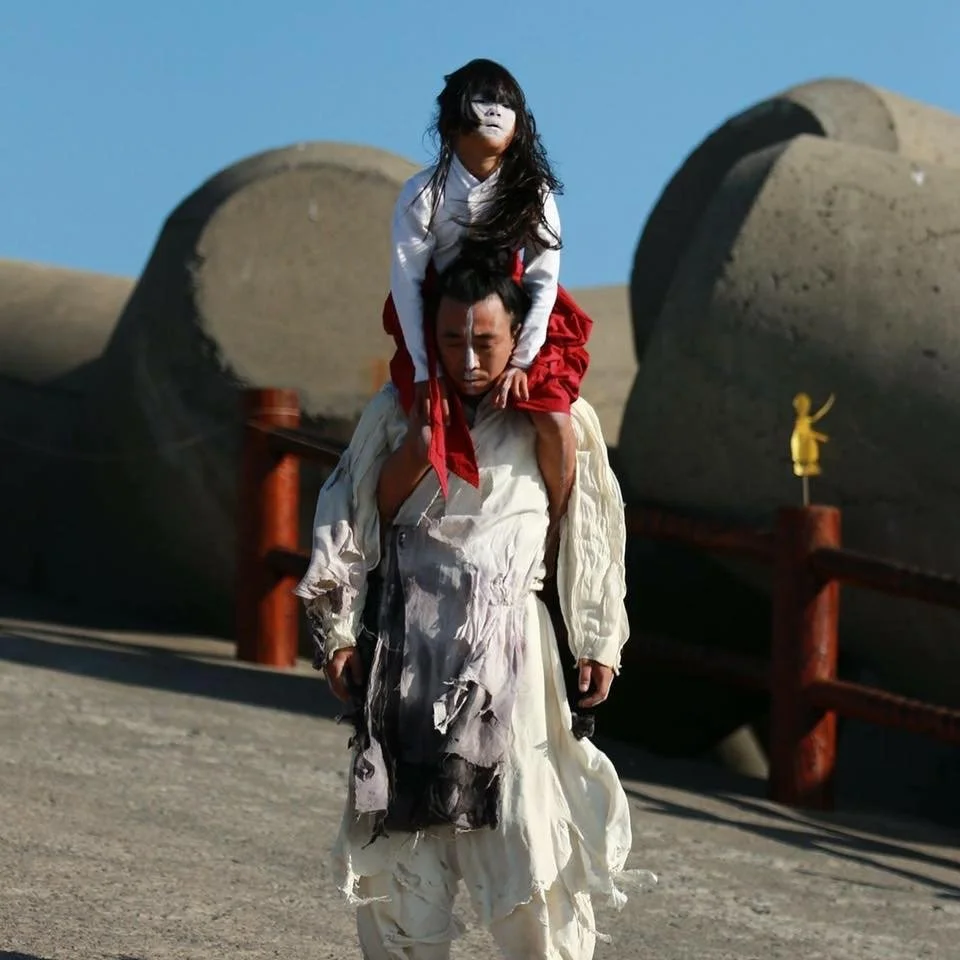
Ramoo Hong is living in Jeju Island, South Korea. Through his creative process, he hopes to see the value of life in new ways. He has performed and created various works that question and explore the truths of life. Communicating with others through art may seem too powerless to lead to significant changes in the world. However, he narrates in his work that our hopes and dreams can offer new values to our next generation like the butterfly effect. He sings, dances, acts and paints to offer his hand and heart to the lonely, the hurt, and all the living that suffers. He has been organizing Jeju International Butoh Festival.
Ramoo Hong
Nostalgia (2026)
Performance
This performance, structured as a single story, began with a yearning to rediscover the profound essence of humanity, the "something" we forget amidst the complexities of life around us. The harmony of inhalation and exhalation. The breath of all life, the birth of life itself. A single flower, breathing with the wind and sunlight with its fragile yet powerful vitality, dances, beautifying the universe of life.
The fleeting fragrance of a flower petal, emanating for a thousand miles, purifies the air.
The vibration of that fragrance. The beautiful flower dance of the soul.
-
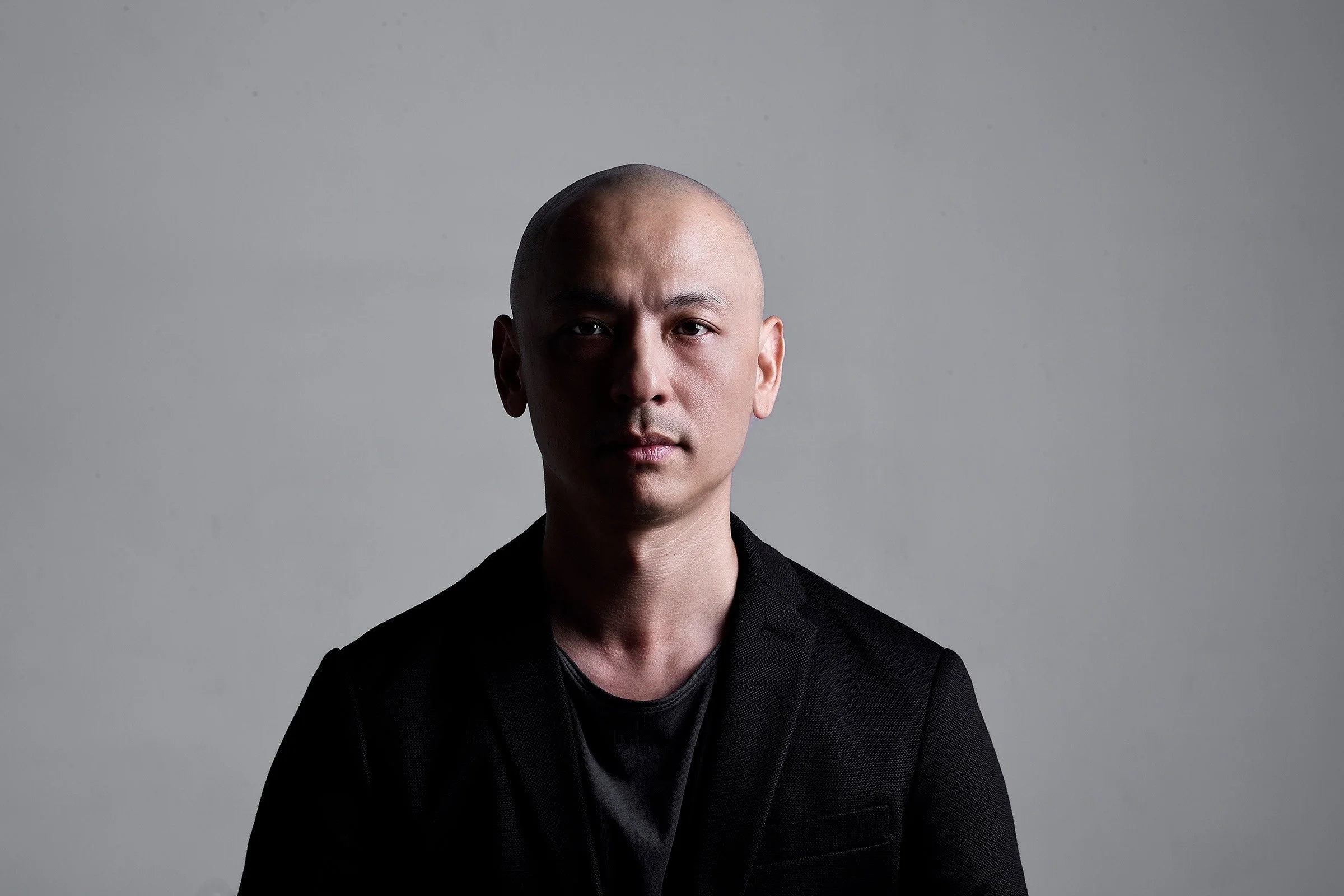
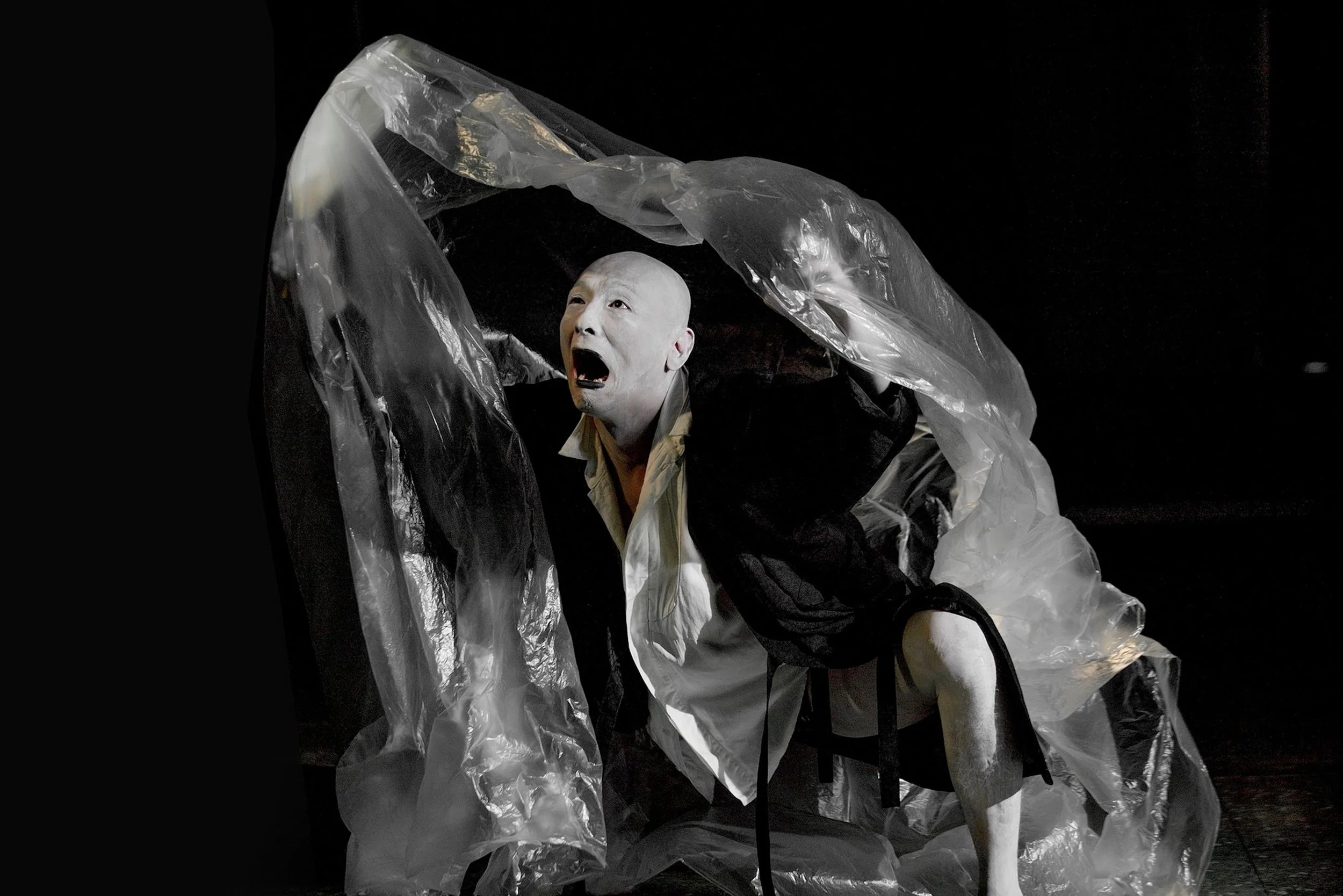
Hu Chia is a Butoh dancer, martial artist, and founder of Miè Theatre. With nearly four decades of stage experience and over thirty years of training in Taiwan’s traditional Monkey-Crane Double Form Martial Arts, he integrates martial arts, Butoh, and calligraphy into a unique body language. Since 1996, he has performed and led workshops across Taiwan, Japan, Europe, and the United States, exploring the dialogue between “Wu” (martial) and “Bu” (dance). His practice seeks to embody softness, resilience, and presence, bridging tradition and contemporary expression through international artistic exchange.
HU CHIA
Rain (2026)
Performance
Rain falls, and the body responds.
Each drop draws a thin boundary
between appearing and disappearing.
Suspended in the air,
the body dances on that fragile line—
slowly returning
to where everything begins and ends:
the earth.
雨
雨落下,身體便起了回應。
每一滴雨,都拉出一道
介於出現與消失間的細線。
身體懸在空中,
在那脆弱的界線上跳舞——
緩緩回到萬物開始、
也將歸返之處:
大地。
-
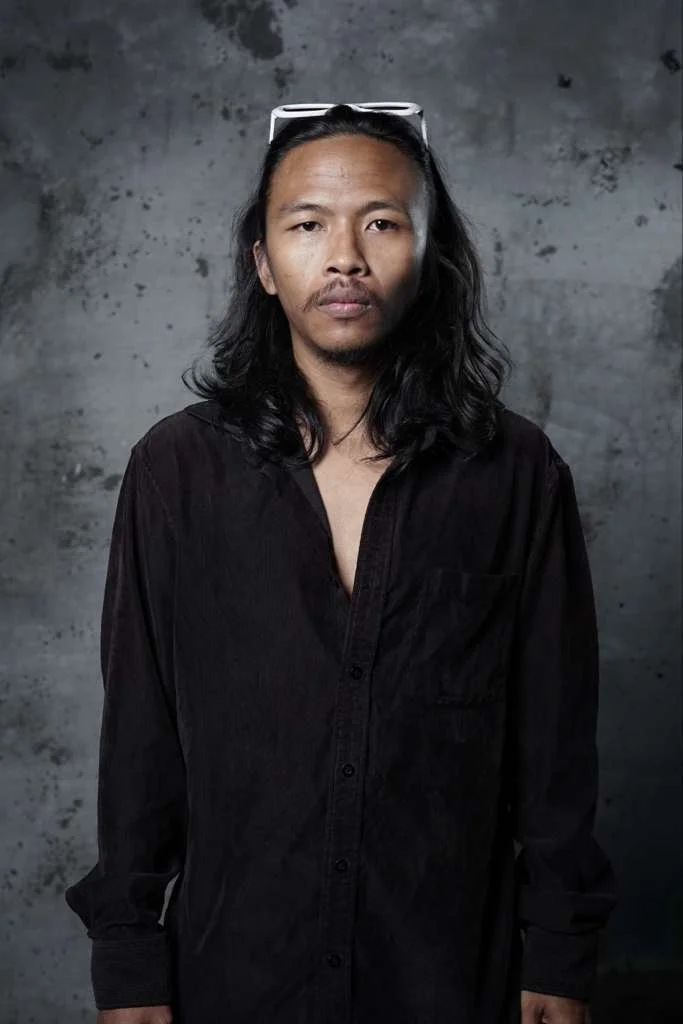
Sofyan Joyo Utomo, a theater maker and social cohesion artist from Malang, East Java, is a co-founding member of Prehistoric Body Theater. Since 2017 and serves as co artistic director with Ari Rudenko, and as a principle performer. Sofyan has a background in experimental performance as a founding member of the Malang-based Teater Komunitas, and also in film and television as a director and actor. Sofyan recently become the father of baby Luffy with his wife Putri (yes, his kid is named after the character from One Piece).
Sofyan Joyo Utomo
PREHISTORIC BODY THEATER
Sangiran 17: Tertanam
Performance
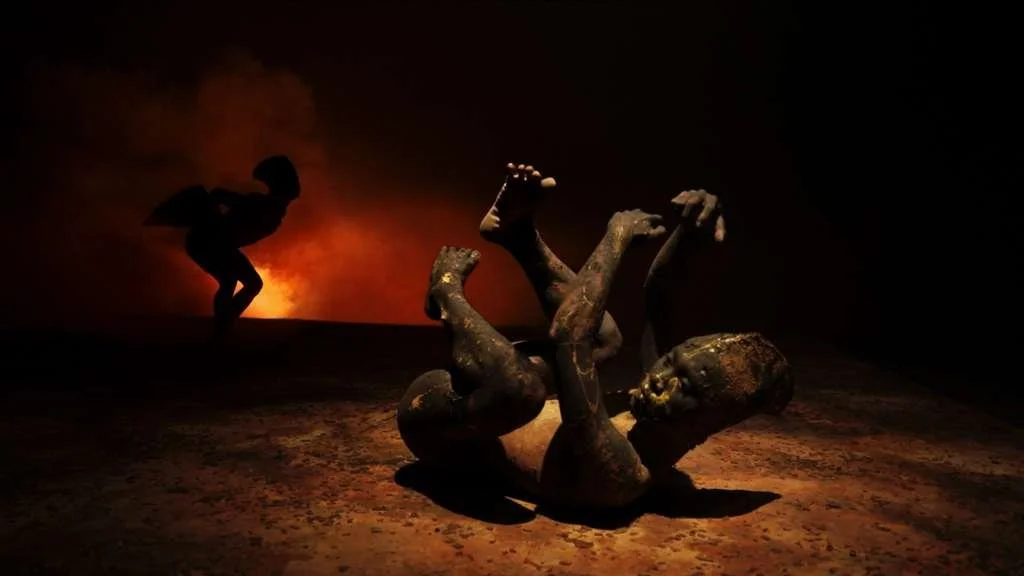
During the last ice age, more than 1 million years ago, ancient naked humans called Homo erectus arrived in prehistoric Java. At this dawn of human consciousness, Homo erectus could control fire and make simple stone tools. The most complete Javanese Homo erectus skull is called specimen Sangiran 17. This is his story.
When his jungle is buried by hot lava, what sparks his impulse to replant new life?
-
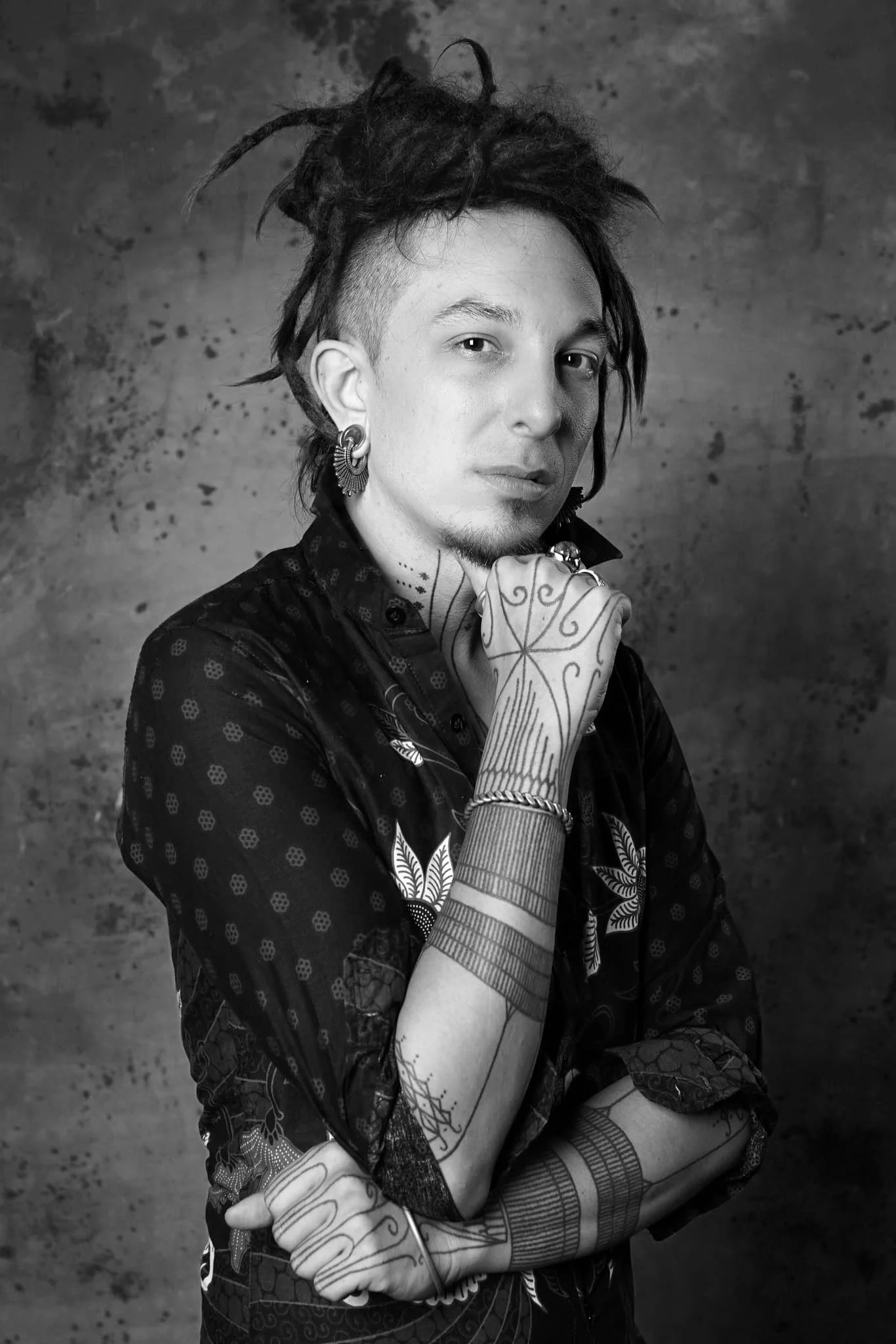
Best known as founder and co-artistic director of Prehistoric Body Theater, Dr. Ari Dharminalan Rudenko grew up in the mossy forests of the San Juan Islands with a love for dinosaurs and a pulsing wanderlust. Moving to Indonesia in 2012 on a dance scholarship, Ari spent 14 years immersing in the languages and traditions of the archipelago, co-founding PBT with Sofyan Joyo Utomo as a performance collective fusing paleontological science with Indonesian dance.
The ensemble lives and works together at the Nest in Central Java—days spent between paleontology study and dance labs, nights around the bonfire playing Javanese dangdut music. Ari holds a PhD from the Indonesian Institute of the Arts and an AIFIS Post-Doctoral Fellowship, and has presented at paleontology conferences and TEDx. Recognitions include the Bergstrom Award and ISPA Global Fellowship. In 2025, PBT toured Jacob's Pillow and Asia Society NYC, followed by a month digging dinosaurs in Hell Creek, Montana.
ari rudenko
PREHISTORIC BODY THEATER
Sangiran 17: Tertanam
Performance
During the last ice age, more than 1 million years ago, ancient naked humans called Homo erectus arrived in prehistoric Java. At this dawn of human consciousness, Homo erectus could control fire and make simple stone tools. The most complete Javanese Homo erectus skull is called specimen Sangiran 17. This is his story.
When his jungle is buried by hot lava, what sparks his impulse to replant new life?